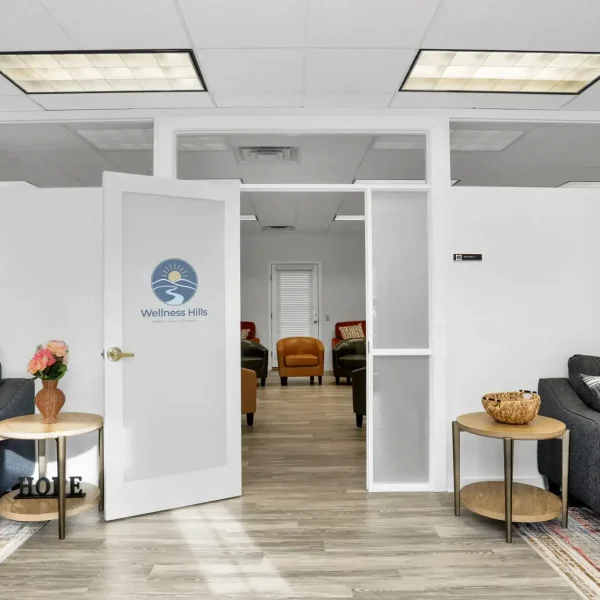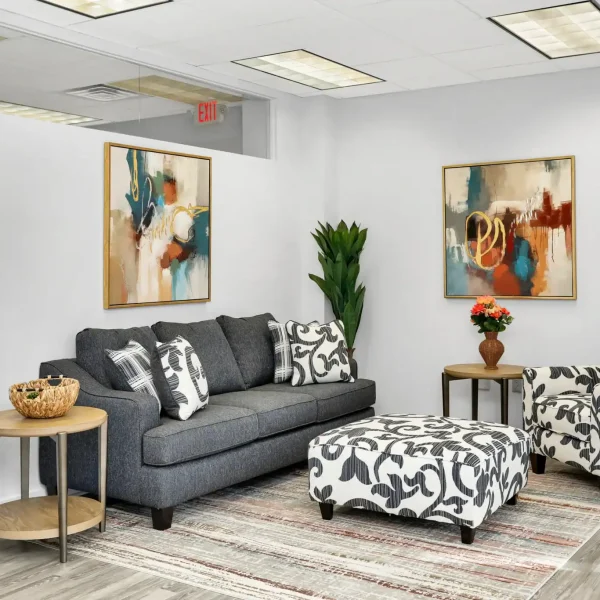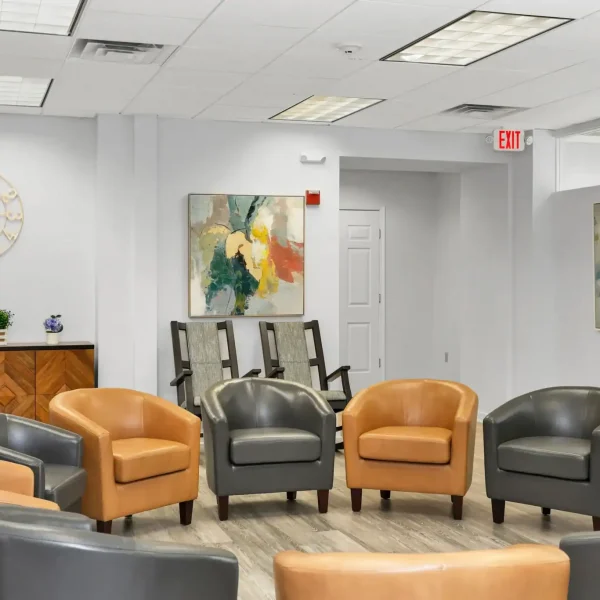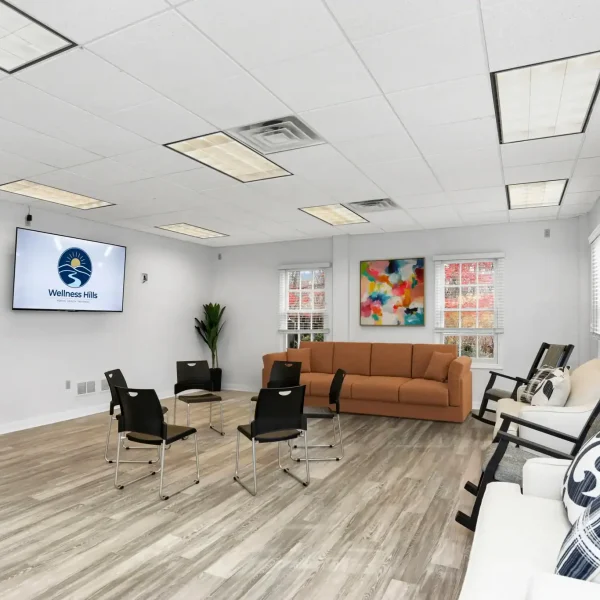

Wellness Hills is an OCD Treatment Center in New Jersey delivering proven therapies to reduce symptoms and restore daily functioning.
OCD treatment at Wellness Hills is guided by a multidisciplinary team including New Jersey–licensed psychiatrists and licensed clinical therapists experienced in obsessive-compulsive and anxiety-related disorders using exposure-based treatment methods.
Obsessive-Compulsive Disorder (OCD) is a serious mental health condition that can disrupt daily life, relationships, and personal well-being. The endless cycle of intrusive thoughts (obsessions) and repetitive behaviors (compulsions) can leave individuals feeling overwhelmed and powerless. At Wellness Hills Treatment Center in Chester, NJ, we understand the challenges of living with OCD and are committed to helping you regain control of your life.
Our OCD treatment programs combine evidence-based therapies, psychiatric care, and holistic practices to provide a comprehensive and personalized approach to healing. Wellness Hills focuses on addressing the unique needs of each client while fostering a supportive and compassionate environment that enables you to work toward recovery with confidence. Whether you’ve recently been diagnosed with OCD or have been struggling with it for years, our expert team is here to help.

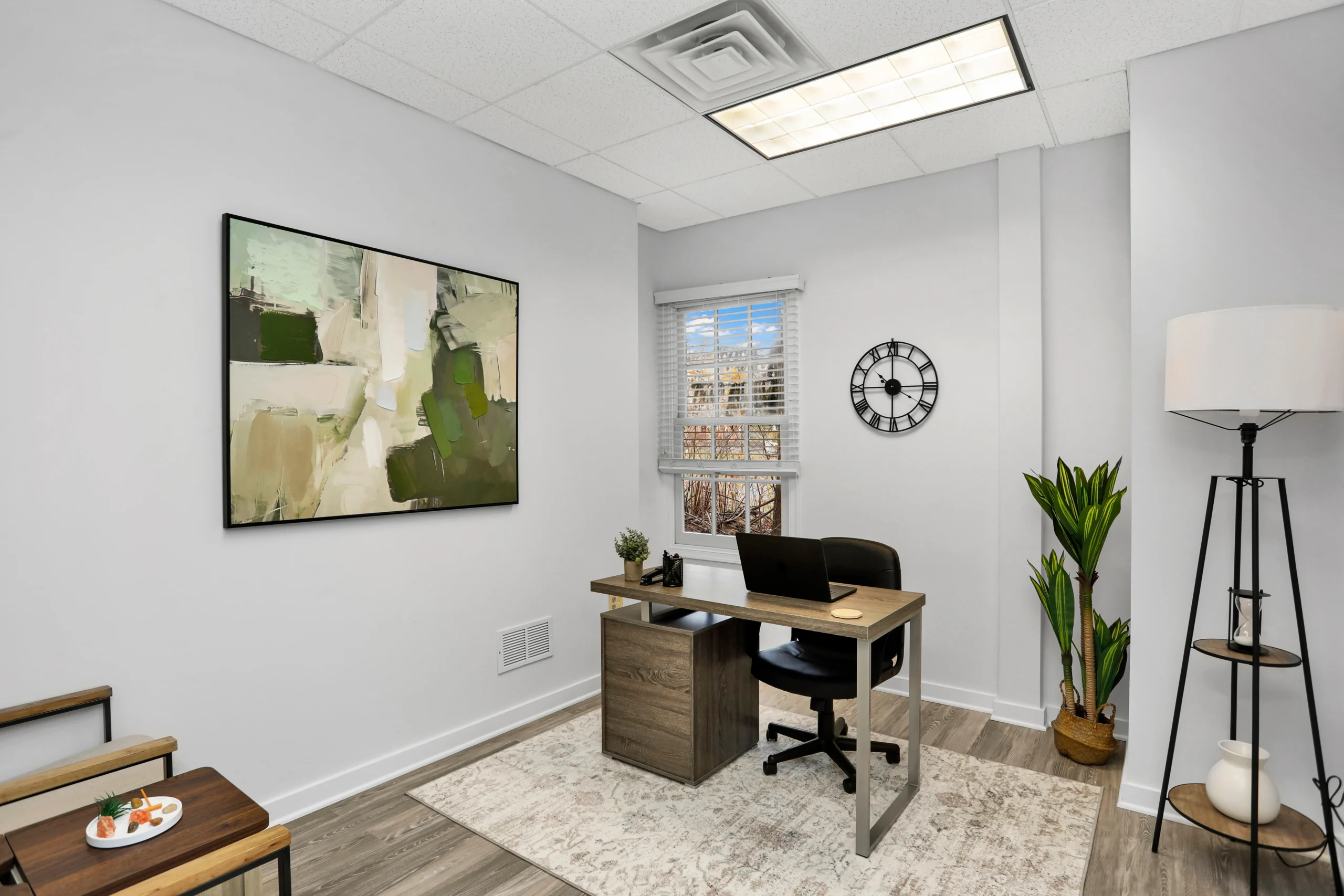
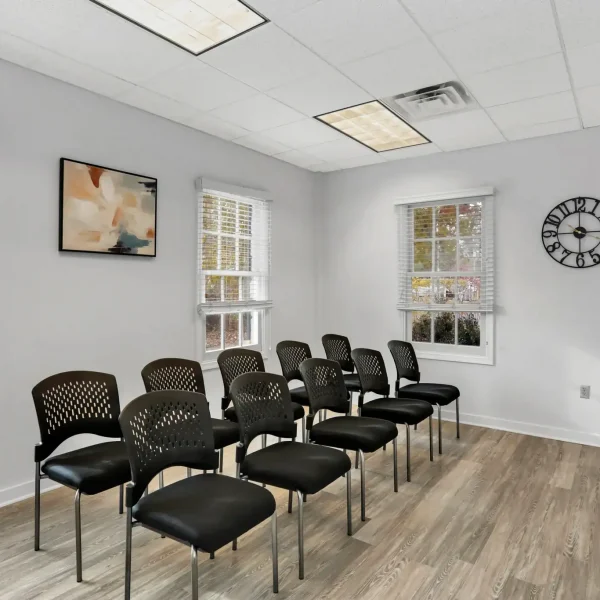
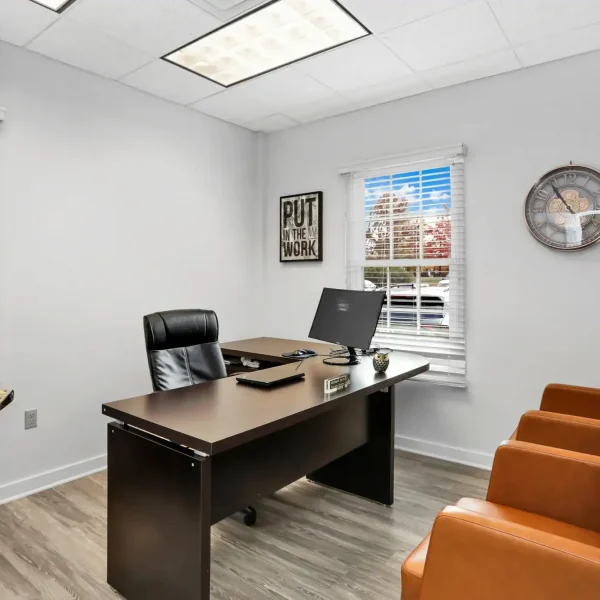
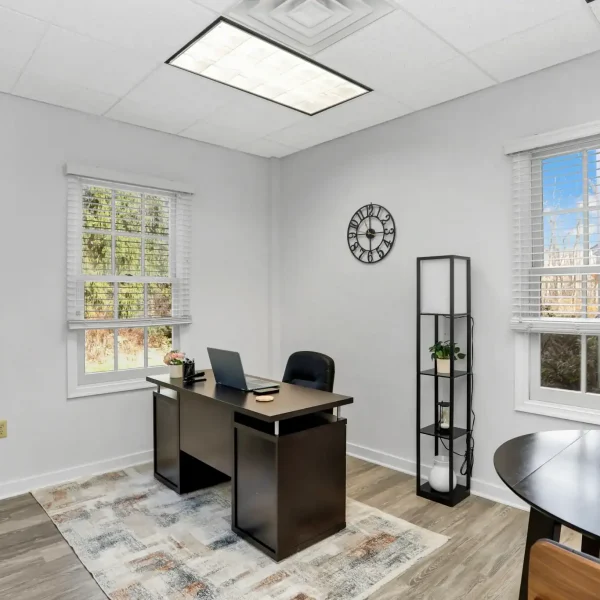
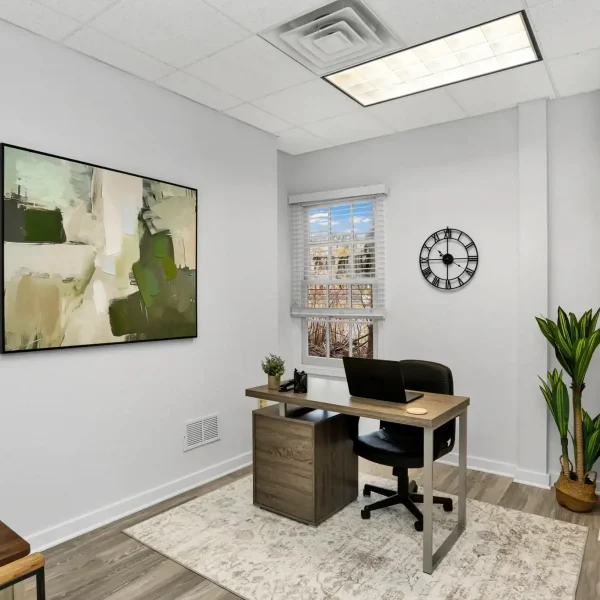
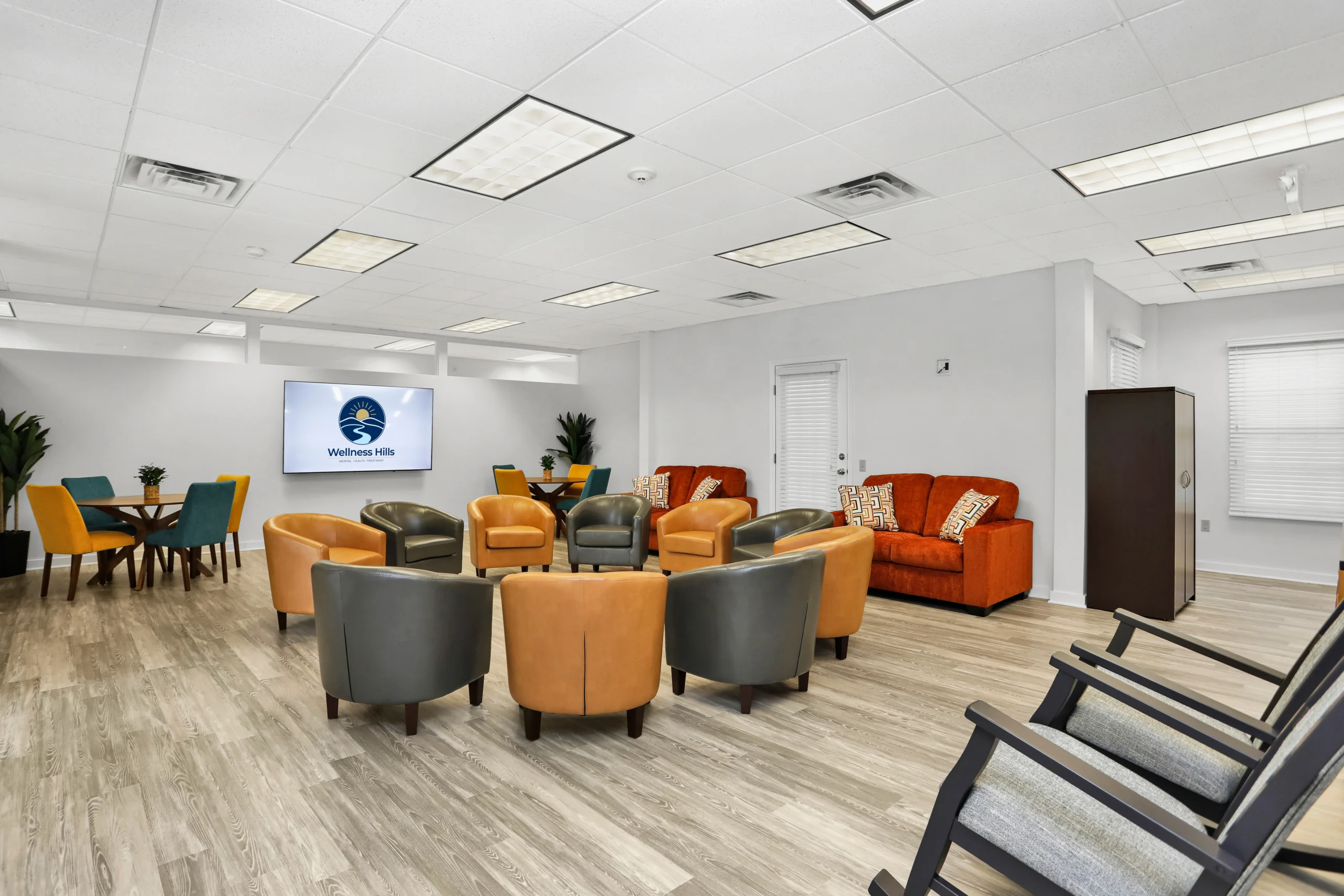
At Wellness Hills Mental Health Treatment Center, we are dedicated to providing exceptional mental health care with a personal touch. Our mission is to offer a safe, welcoming, and inclusive space for individuals seeking hope, healing, and a path to recovery.
Learn more about our expertly crafted depression treatment programs in New Jersey at Wellness Hills.
Discover how our anixety treatment programs in New Jersey at Wellness Hills can help you find long-term healing from anixety.

Keep reading to learn more about our high-quality bipolar disorder treatment program that works for your needs.

When choosing a trauma & PTSD treatment center in NJ, look no further than our expert programs at Wellness Hills.
Choose our OCD treatment center today for a personalized experience in mental health treatment.
Obsessive-Compulsive Disorder (OCD) is a mental health condition characterized by a cycle of obsessions and compulsions. These can manifest as intrusive, unwanted thoughts (obsessions) that cause anxiety and repetitive, ritualistic behaviors (compulsions) performed to ease that anxiety.
While occasional intrusive thoughts are normal, for individuals with OCD, these thoughts are persistent, disruptive, and distressing. Compulsions may provide temporary relief, but they often create an unhealthy cycle that reinforces the obsessions, making it difficult to break free.
OCD can interfere with daily responsibilities, relationships, career goals, and overall well-being, but effective treatment can help individuals regain control of their minds and lives.
At Wellness Hills, OCD treatment is anchored in Exposure and Response Prevention (ERP), the gold-standard, evidence-based behavioral therapy for obsessive-compulsive disorder.
Our ERP protocol is delivered within structured inpatient, PHP, IOP, and outpatient programs and is overseen by licensed clinicians in the state of New Jersey with specialization in anxiety and obsessive-compulsive spectrum disorders.
ERP at Wellness Hills follows a hierarchical exposure model, beginning with controlled, lower-distress triggers and systematically progressing toward high-anxiety stimuli. Response prevention is actively enforced to disrupt compulsive behaviors and retrain neurological fear-response pathways.
Clients typically participate in ERP-based interventions three to five times per week depending on level of care, with continuous psychiatric oversight to support symptom stabilization and medication responsiveness.


For severe cases of OCD that require intensive care, inpatient treatment offers 24/7 support in a safe, structured environment. This level of care is ideal for individuals whose symptoms have become debilitating or who struggle with co-occurring conditions such as depression or anxiety.
Key benefits of inpatient treatment include:
Inpatient care allows clients to focus entirely on their recovery without the distractions or stressors of daily life.
For individuals who require intensive treatment while maintaining some connection to daily responsibilities, the Partial Hospitalization Program (PHP) is an excellent option.
PHP provides structured programming, including:
Clients return home in the evenings, allowing them to practice coping strategies in real-world settings while continuing to receive substantial therapeutic support.
The Intensive Outpatient Program (IOP) is designed for individuals with moderate OCD symptoms or those stepping down from more intensive levels of treatment.
IOP offers flexibility, as clients attend therapy sessions several days a week while maintaining work, school, or family commitments. This program helps clients continue to make progress and reinforce coping skills without requiring full-day attendance.
Outpatient therapy is ideal for individuals with mild OCD symptoms or those who have completed more intensive care. Clients meet with a therapist on a weekly or biweekly basis to:
This level of care emphasizes long-term support and sustained management of OCD symptoms.
Many clients begin OCD treatment at a higher level of care such as PHP or IOP and step down to outpatient therapy over an average range of 6 to 10 weeks, depending on symptom severity, clinical progress, and response to ERP-based treatment.
For many individuals, medication is a key part of managing OCD. At Wellness Hills, our psychiatrists work closely with clients to design personalized medication plans that complement therapy.
Common medications for OCD include:
Medication is monitored carefully to ensure it is both effective and well-tolerated.
Therapy is a cornerstone of OCD treatment. At Wellness Hills, we specialize in evidence-based therapies such as:
For example, a client with contamination-related OCD may begin by briefly touching a feared surface without washing their hands, learning to tolerate the anxiety response without performing compulsions. As progress develops, exposure intensity and duration are gradually increased to weaken the obsession–compulsion cycle.
Therapy sessions are tailored to each individual’s unique triggers, helping them manage their symptoms and reduce compulsions over time.
Find out your personal coverage & options for treatment with a free verification of benefits from our admissions team. Whether you come to our programs or not we will ensure that you receive personalized recommendations for treatment based on your needs.





At Wellness Hills Mental Health, our OCD treatment programs are carefully crafted to provide clients with the tools, knowledge, and support they need to regain control of their lives. Here’s what you can expect when you begin treatment:
Your journey starts with a thorough evaluation of your symptoms, medical history, and treatment goals. This assessment ensures that your care plan is personalized to meet your exact needs.
Most intake assessments are completed within 24 to 48 hours of initial contact, allowing treatment planning to begin quickly.
Your treatment team will work with you to develop a customized recovery plan. This plan will address the roots of your OCD, reduce the severity of symptoms, and teach practical coping strategies.
At Wellness Hills, we create a welcoming, judgment-free atmosphere where you can navigate your recovery without fear or shame. Our team is dedicated to creating a safe and supportive environment that promotes healing.
Therapy is a central focus of our treatment programs. You will participate in individual, group, and skills-based therapies designed to challenge your OCD and provide relief from its grip.
Throughout treatment, our team will monitor your progress closely to ensure you’re moving toward your goals. Adjustments to your care plan will be made as needed to support continued growth.
At Wellness Hills Treatment Center, our programs are not just about treating symptoms, they’re about helping you build the skills and resilience needed to maintain long-term recovery.
At Wellness Hills Mental Health Treatment Center, we are proud to offer a simple and effective admissions process. This allows us to ensure that each person who contacts us gets the best treatment options that work for their individual needs. Contact our team today to begin your journey to long-term healing.



Average 5.0 Rating
"I felt supported, understood, and never judged. The therapists here actually listen, and the groups helped me build confidence and skills I didn’t even know I needed. I’m healthier, calmer, and finally hopeful about my future. I’m so grateful for the care I received.”
Client Satisfaction
We understand the financial concerns that may come with seeking mental health treatment. At Wellness Hills Treatment Center, we aim to make OCD treatment accessible and affordable:
Most health insurance plans include coverage for therapy, psychiatry, and treatment services for OCD. We partner with a wide range of providers and offer insurance verification, assistance with claims handling, and help with understanding your coverage.
For clients without insurance or those opting for self-pay, Wellness Hills offers transparent pricing and flexible payment plans to fit your budget.
If needed, our team will work with you to explore grants, scholarships, or healthcare loans that can help make treatment more accessible.
Living with OCD can feel isolating and exhausting, but you don’t have to face it alone. At Wellness Hills Mental Health of New Jersey, we specialize in helping individuals overcome the challenges of OCD and build lives defined by peace, purpose, and confidence.
Our comprehensive treatment programs, caring professionals, and evidence-based therapies offer the support and tools you need to reclaim control. If you or someone you love is struggling with OCD, don’t wait to seek help.
Break free from the cycle of OCD and start living the life you deserve. Call or visit Wellness Hills now!
Obsessive-Compulsive Disorder (OCD) — Clinical Definition, Symptoms, and Course – National Institute of Mental Health overview describing OCD as a long-lasting disorder of obsessions and compulsions that interferes with daily life and functioning.
Obsessive-Compulsive Disorder: Learn More — Treatments for OCD – NCBI Bookshelf review summarizing evidence-based OCD treatments, including cognitive behavioral therapy, exposure and response prevention, and medication.
Acceptance and Commitment Therapy for Adult OCD — Randomized Clinical Trial – Controlled trial demonstrating that Acceptance and Commitment Therapy (ACT) can effectively reduce OCD symptoms compared to relaxation training.