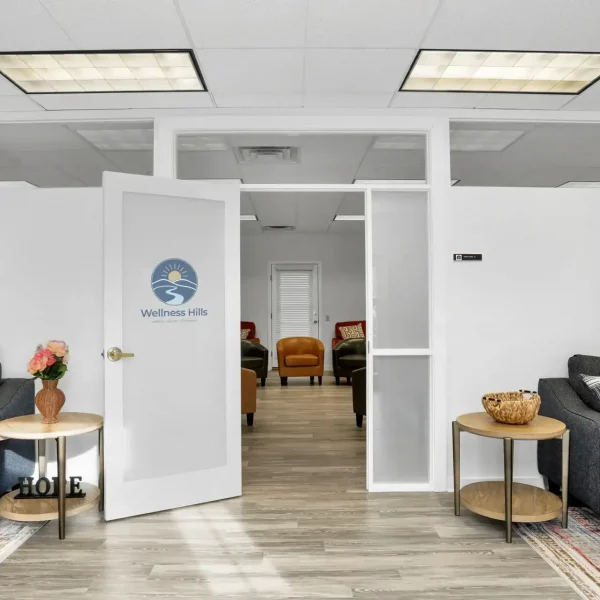
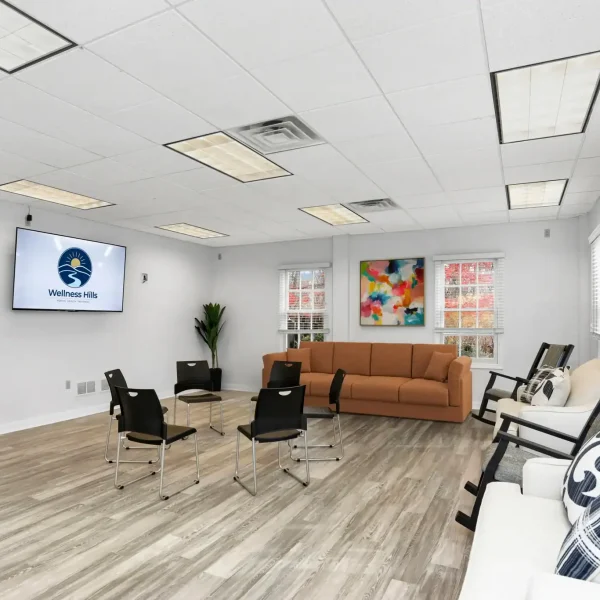
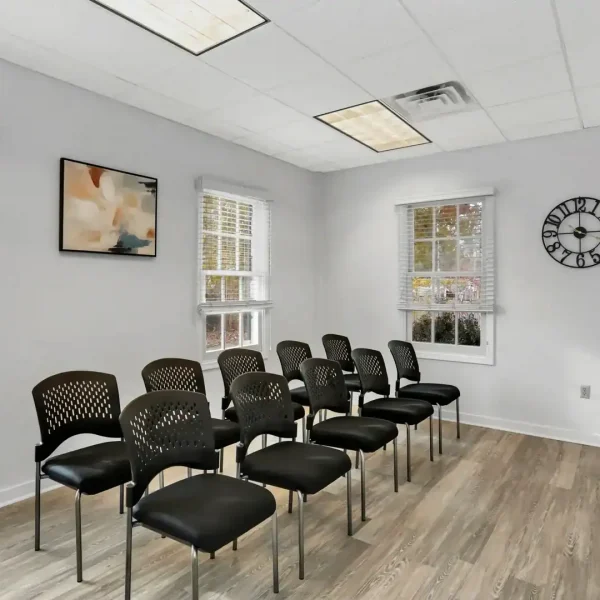
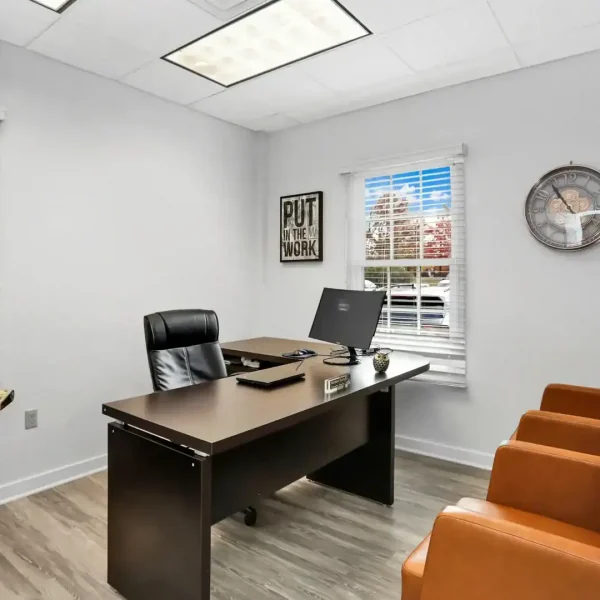
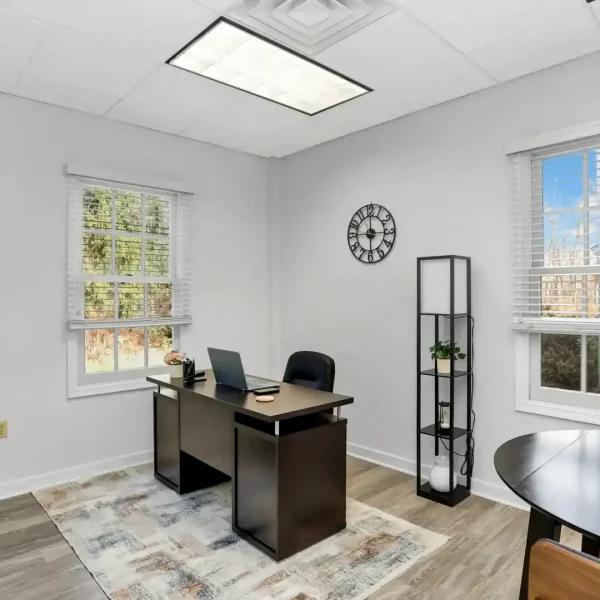
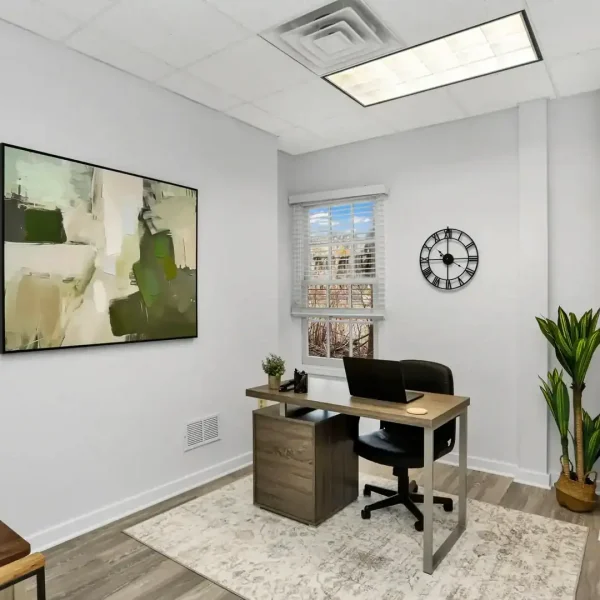
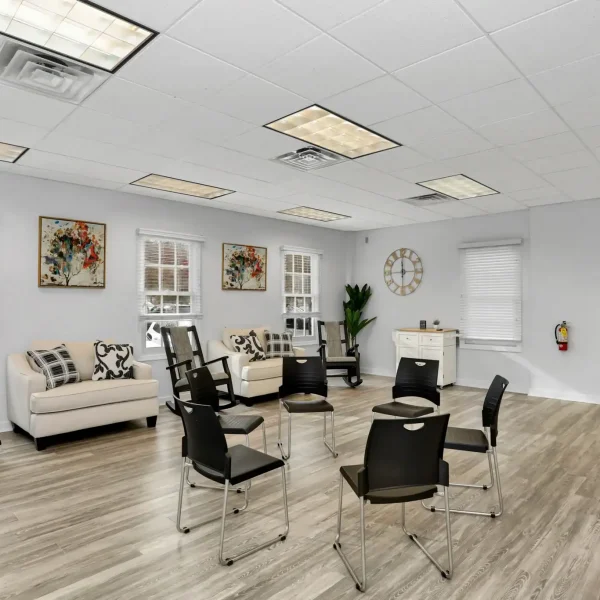
Wellness Hills is an outpatient facility in Chester, NJ that helps with hospital-based inpatient placement and step-down PHP or IOP planning after stabilization.
Inpatient mental health treatment is a short-term clinical intervention designed for rapid crisis stabilization. It provides a 24-hour therapeutic environment for individuals experiencing acute psychological distress that cannot be safely managed at a lower level of care. Wellness Hills in Chester, NJ, is not a psychiatric hospital; we are an outpatient facility that can help with inpatient mental health coordination in New Jersey.
Our team facilitates the transition from crisis to recovery by coordinating with acute care hospitals and psychiatric units. We screen for safety risks and coordinate next steps. After a patient becomes stable, we specialize in planning the next steps, offering step-down care, and transitioning to a partial hospitalization program, an intensive outpatient program, or a general outpatient program to help prevent relapse.
If you or someone you care about is struggling to stay safe, please call 855-560-5523 for a private screening. Our team offers care coordination and can help verify your insurance coverage to confirm you receive the proper support.
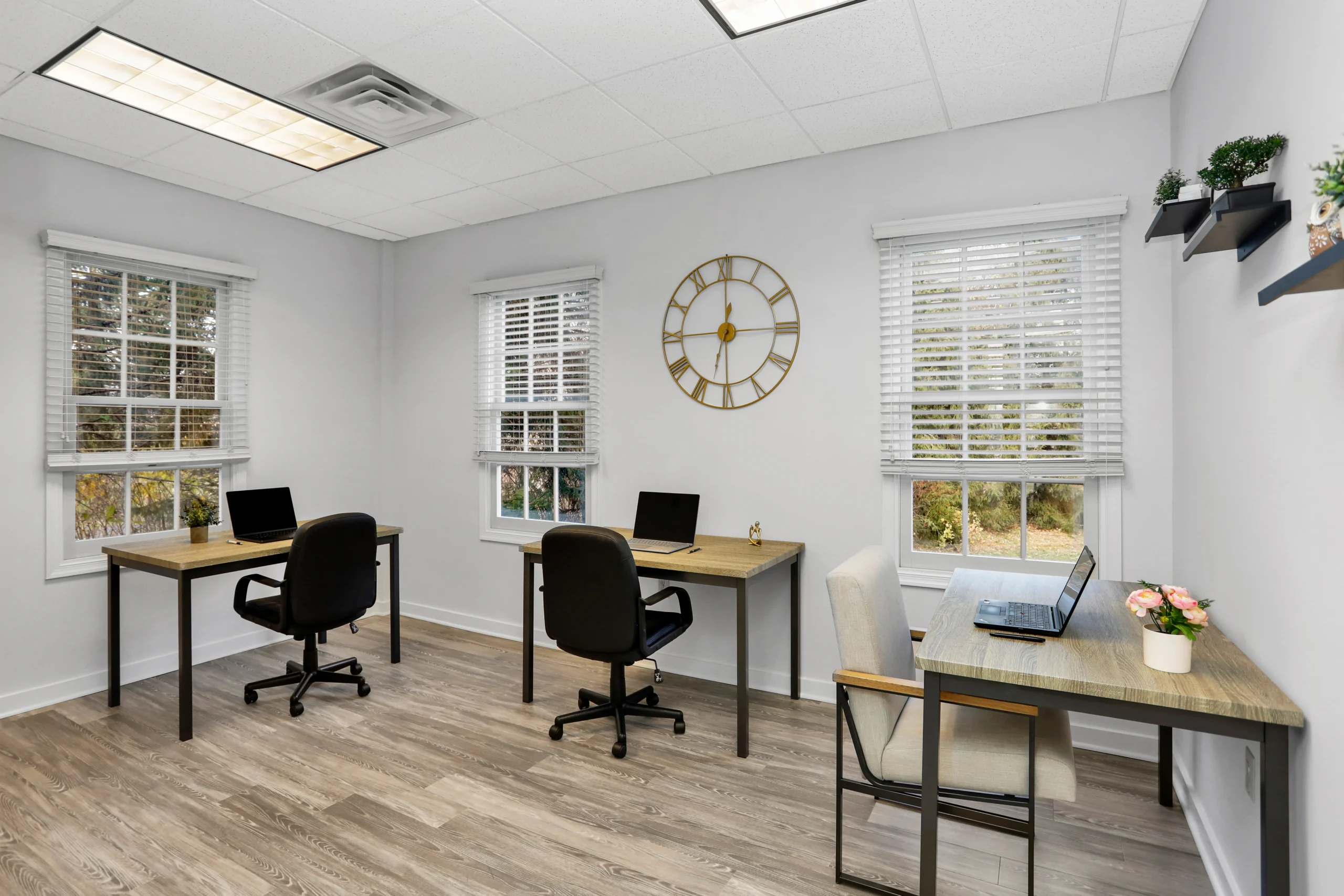

Inpatient treatment refers to overnight hospitalization in a clinical setting, typically a psychiatric hospital or a specialized behavioral health unit.
Inpatient mental health care is the kind of care that provides 24/7 medical supervision and intensive treatment for someone experiencing acute mental health crises (or extreme symptoms) that cannot be safely managed at home. This environment can help, especially when a person is experiencing a severe break from reality, active suicidal ideation, or a complete inability to function in daily life.
Navigating the New Jersey mental health system during a crisis can be overwhelming. Inpatient mental health placement acts as a professional bridge in this state.
When you contact a mental health facility like Wellness Hills, we conduct a psychiatric assessment and a substance use screening to determine the appropriate acuity level.
Our case management team then facilitates the identification of available beds in the acute care system in New Jersey, helping families with logistical needs, while ensuring medical necessity documentation (which is critical for authorization by the patient’s insurer) is available.
Stabilization is only the first chapter of recovery. Risk for relapse, including suicide, is highest in the days immediately following a psychiatric inpatient admission. This critical period is often considered the first few weeks or up to 3 months post-discharge.
Our inpatient mental health coordination services help families coordinate hospital-based evaluation and inpatient placement when medically necessary.
Our planning for the continuum of care confirms that by the time the patient is ready to leave the hospital, they already have a confirmed spot waiting for them at Wellness Hills in our Chester facility.
This creates a safe transition, moving the person from the hospital bed right into our PHP or IOP program.


Determining the difference between a tough time and a clinical crisis requires looking at functional impairment. Mental health inpatient treatment may be necessary when an individual exhibits:
Based on DSM-5 criteria, acute stabilization is often required for symptoms associated with:
Some individuals seeking mental health crisis stabilization also struggle with Substance-Related and Addictive Disorders. In cases of co-occurring disorders, safety is the priority.
Some individuals may require medical monitoring or a medically supervised detox before they can effectively engage in the psychological work of a step-down PHP after an inpatient program.
Our screening process includes a substance use screening to confirm that the coordination facility can handle both psychiatric and withdrawal needs.
Don’t wait for a screening if there is an immediate danger of self-harm or harm to others. Proceed directly to the nearest emergency department evaluation center or call 911.
For those experiencing an escalating crisis but who are currently stable enough to speak, the 988 Suicide & Crisis Lifeline offers 24/7 support.
Psychiatric inpatient admission often begins in the ER. It’s where a screening center clinician determines if a patient meets the legal and clinical criteria for hospitalization.
To assist the licensed therapist (LPC/LCSW/LMFT) or social worker at the hospital, try to have the following ready:


Find out your personal coverage & options for treatment with a free verification of benefits from our admissions team. Whether you come to our programs or not we will ensure that you receive personalized recommendations for treatment based on your needs.






Upon psychiatric inpatient admission, the process often begins with a comprehensive psychiatric assessment. This can include a safety planning session and 24-hour observation.
The aim is to create a secure, locked environment that shields the patient from external pressures, giving the clinical team the space they need to help stabilize their mental and emotional state.
In an inpatient setting, medication management is often more aggressive than in outpatient care. A psychiatrist or PMHNP will monitor the patient’s response to medications daily. This is not a promise of a cure but rather a method for reducing acute symptoms so the patient can eventually participate in therapies such as CBT or DBT.
It is common for a multidisciplinary team to manage inpatient treatment for mental health:
Families in New Jersey often face significant challenges during inpatient placements, largely due to systemic problems that lead to long waiting times and considerable emotional and financial stress.
Key struggles families encounter include:
These systemic issues can result in increased stress, anxiety, and a significant burden for families in New Jersey as they try to secure appropriate and timely care for their loved ones.




Average 5.0 Rating
"I felt supported, understood, and never judged. The therapists here actually listen, and the groups helped me build confidence and skills I didn’t even know I needed. I’m healthier, calmer, and finally hopeful about my future. I’m so grateful for the care I received.”
Client Satisfaction


The “cliff” of discharge is where many recovery journeys fail. Discharge planning must be a proactive process. At Wellness Hills, our Community Care Liaisons works with hospital social workers to coordinate patients’ transitions into our care as soon as they leave the hospital. We understand this can help prevent the gap where symptoms often return.
Step-down PHP after inpatient is our most intensive outpatient level. It is a structured, intensive form of outpatient treatment that serves as a vital bridge or step-down from the 24/7 care of inpatient stabilization.
An intensive outpatient program can be a great next step for continued support. Think of it as a helpful follow-up to a PHP designed to keep providing mental health care, but with fewer hours and days. This structure can help patients ease back into their everyday lives, learn important coping strategies, avoid setbacks, and grow more independent, all while still receiving significant help.
Our team, which includes Leigh Rasmussen, LPC, LCADC, carefully uses tools such as the PHQ-9 and GAD-7 scores to evaluate whether a patient is truly ready to transition from PHP to IOP.
Inpatient: Short-term (often 5–10 days); 24/7 medical supervision and focus on acute crisis stabilization.
Residential: Longer-term (30–90 days); 24/7 non-medical supervision and focus on long-term behavioral change in a live-in setting.
PHP (Wellness Hills): Day program, 5–6 days per week; high clinical intensity bridging inpatient and outpatient care.
IOP (Wellness Hills): 3–5 days per week in day or evening sessions; focus on integration, maintenance, and relapse prevention.
An individual in active psychosis or with a high C-SSRS score for suicidal intent requires psychiatric inpatient hospitalization. However, once the immediate threat is gone, they may benefit most from the social laboratory of our PHP or IOP, where they can practice coping skills in real-world settings.
The most common pitfall is the lack of a continuum of care. Without a scheduled step-down PHP after an inpatient appointment, patients often miss follow-up meds, lose their safety planning focus, and feel isolated. Wellness Hills helps solve this through active care coordination.
So, does insurance cover inpatient mental health? Generally, yes.
Coverage is common, but not automatic. New Jersey and federal parity rules require mental health benefits to be comparable to medical and surgical benefits, but insurers may still use prior authorization, medical necessity criteria, networks, and utilization review.
At Wellness Hills, we can verify benefits for our step-down levels of care and explain what documentation is typically needed, ensuring your insurance (Aetna, Cigna, Horizon BCBS, etc.) is utilized effectively.
When looking for an inpatient mental health facility, always ask:
We use measurement-based care (PHQ-9, GAD-7) to track symptom change over time. By tracking PHQ-9 (depression) and GAD-7 (anxiety) scores throughout your time in our PHP or IOP, we can objectively see when the mental health crisis stabilization has transitioned into true recovery.


When you call Wellness Hills, you will speak with an admissions specialist who performs a safety screen. If inpatient care is needed, we move to care coordination with local hospitals. If you are ready for a step-down, we will proceed with insurance verification and schedule a full psychiatric assessment.
Once stabilized and medically cleared, we will facilitate a transition with the hospital to our Partial Hospitalization Program (PHP) or our Intensive Outpatient Program (IOP).
These FAQs answer the most common inpatient hospital placement questions we hear during screening calls and clinical assessments.
Yes, there are numerous state-licensed hospitals and private psychiatric facilities throughout NJ. We help coordinate inpatient mental health placement based on a client’s specific clinical needs.
In an emergency, coordination through an emergency department evaluation can happen within hours. For non-emergencies, our placement coordination typically takes 24–48 hours, depending on bed availability.
The average length of inpatient treatment is usually determined by the goal of stabilization, which typically takes 3 to 10 days before transitioning to a step-down PHP.
Inpatient vs residential mental health in NJ comes down to acuity. Inpatient is for medical crises and short-term safety; residential is for longer-term therapy in a non-hospital, live-in setting.
If there is active suicidal intent, a plan, or an inability to remain safe for the next hour, go to the ER immediately.
A clinical discharge planning meeting may occur, ideally resulting in a referral to a step-down IOP after an inpatient or PHP program, such as Wellness Hills, to maintain progress.
Yes, most major NJ providers cover it when medical necessity is documented, though prior authorization is almost always required.
This is a clinical decision (depending on symptom severity and the C-SSRS score). PHP is for those needing a high level of structure, while IOP is for those ready for more independence.
If you are ready to begin the process of inpatient mental health placement or need a step-down to PHP after inpatient, call our admissions department at 855-560-5523. Our Director of Admissions, Rachael La Ponte, and her team are ready to guide your care coordination.
Facility Credential: Wellness Hills Mental Health Treatment is licensed by the New Jersey Department of Health (License No. 70290104).
Meta-analysis of suicide rates in the first week and the first month after psychiatric hospitalisation | BMJ Open – Peer-reviewed meta-analysis quantifying the highest-risk window after psychiatric discharge.
Substance-Related and Addictive Disorders (DSM-5) | American Psychiatric Association – DSM-5 diagnostic framework reference for Substance Use Disorder.
988 Suicide & Crisis Lifeline | 988lifeline.org – Official crisis resource.
The Use of State Psychiatric Hospitals: July 2025 State Profile Report | NRI (National Association of State Mental Health Program Directors Research Institute) – State-level reporting on psychiatric hospital utilization.
KFF Survey: Most Consumers Find Prior Authorization Is a Major Problem | The American Journal of Managed Care (AJMC) – Summarizes KFF findings on consumer friction with prior authorization.
Mental health providers are in short supply. So what should people in need do? | CBS News – Mainstream reporting on access shortages.
Mental Health Prior Authorization (PA) Guidance and Medical Necessity Training | NJ FamilyCare / DMAHS (New Jersey Human Services) – NJ-specific training deck on MH prior authorization and medical necessity.