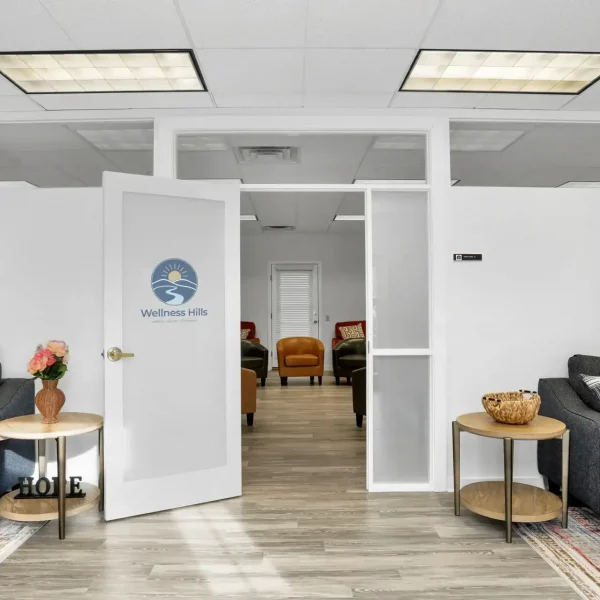
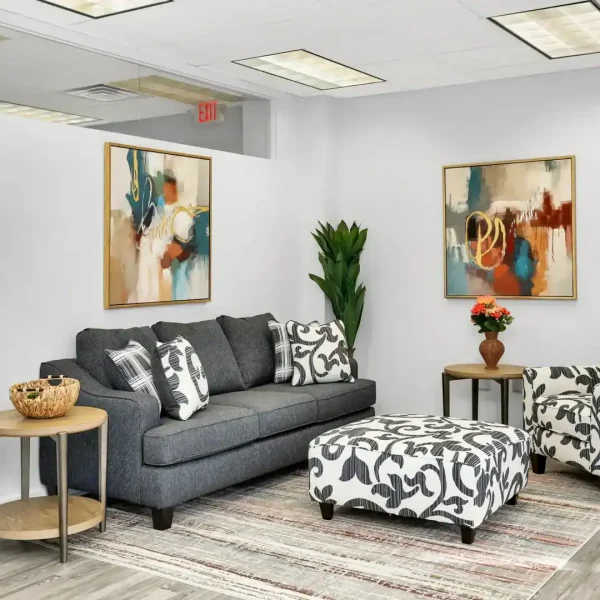
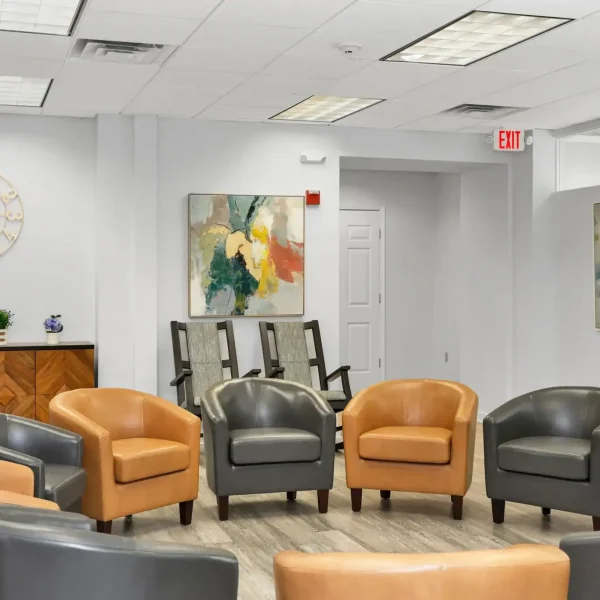
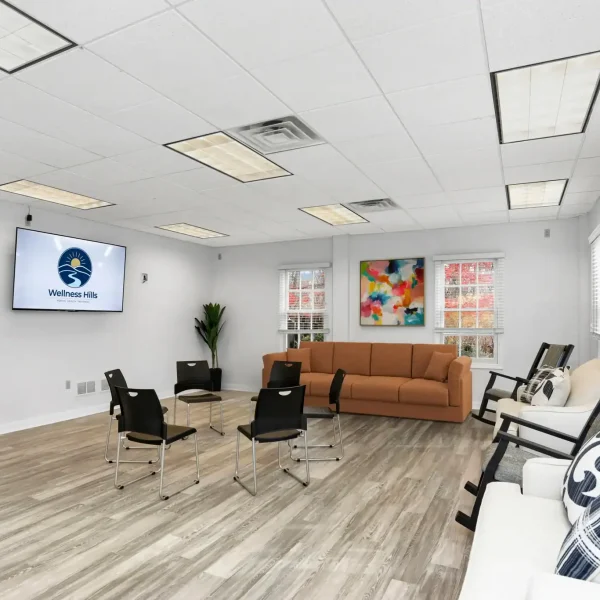
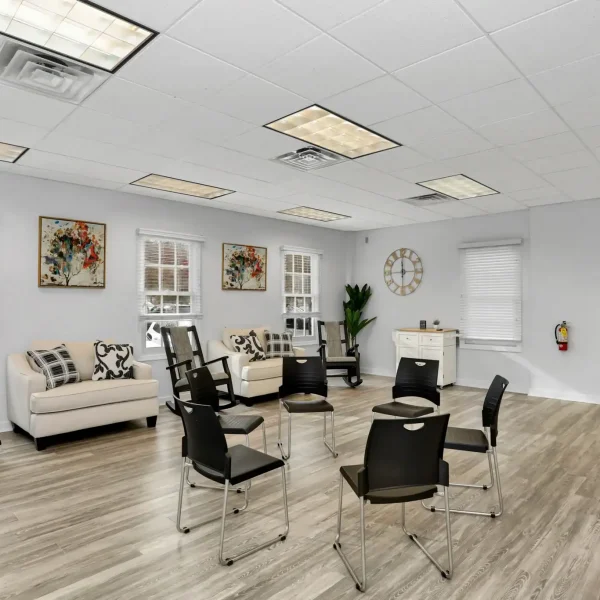
If you’re looking for mental health treatment in Sussex County, NJ, Wellness Hills serves Sussex County residents from our Chester, NJ center with IOP, and PHP services
Discover comprehensive mental health treatment at Wellness Hills, located in Chester, NJ. Serving adults in Sussex County, New Jersey, we offer a well-rounded treatment program spanning the continuum of care. Whether you require a boost from a traditional outpatient program (OP) or are ready to step down to an intensive outpatient program (IOP), Wellness Hills can help guide you on your journey.
Other options at Wellness Hills include a partial hospitalization program (PHP) for a more intensive regimen. For clients who live at a distance, check with our admissions team about telehealth treatment.
Obtain a free, confidential assessment to determine the best treatment program for your situation or receive a referral for residential care.
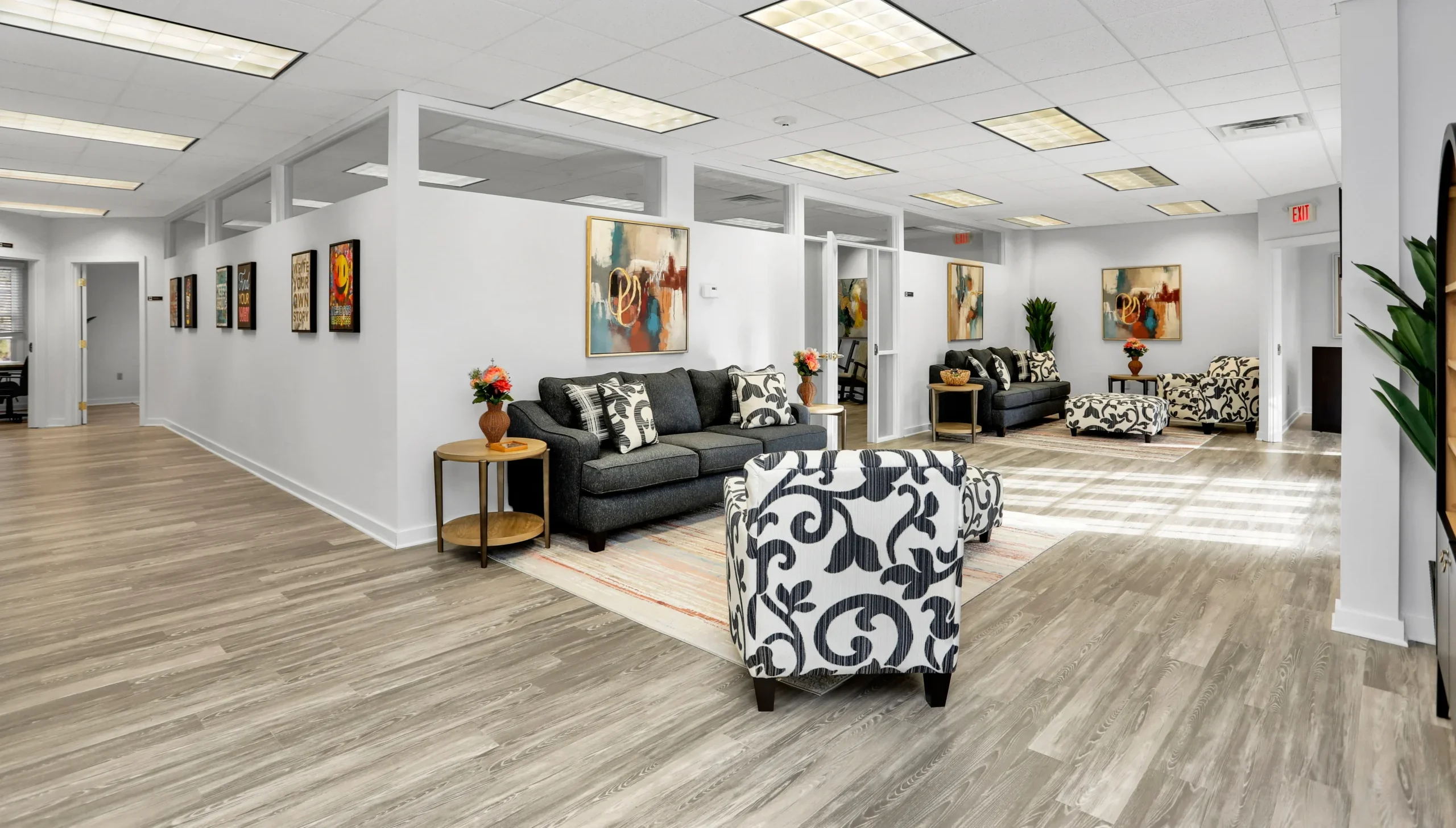
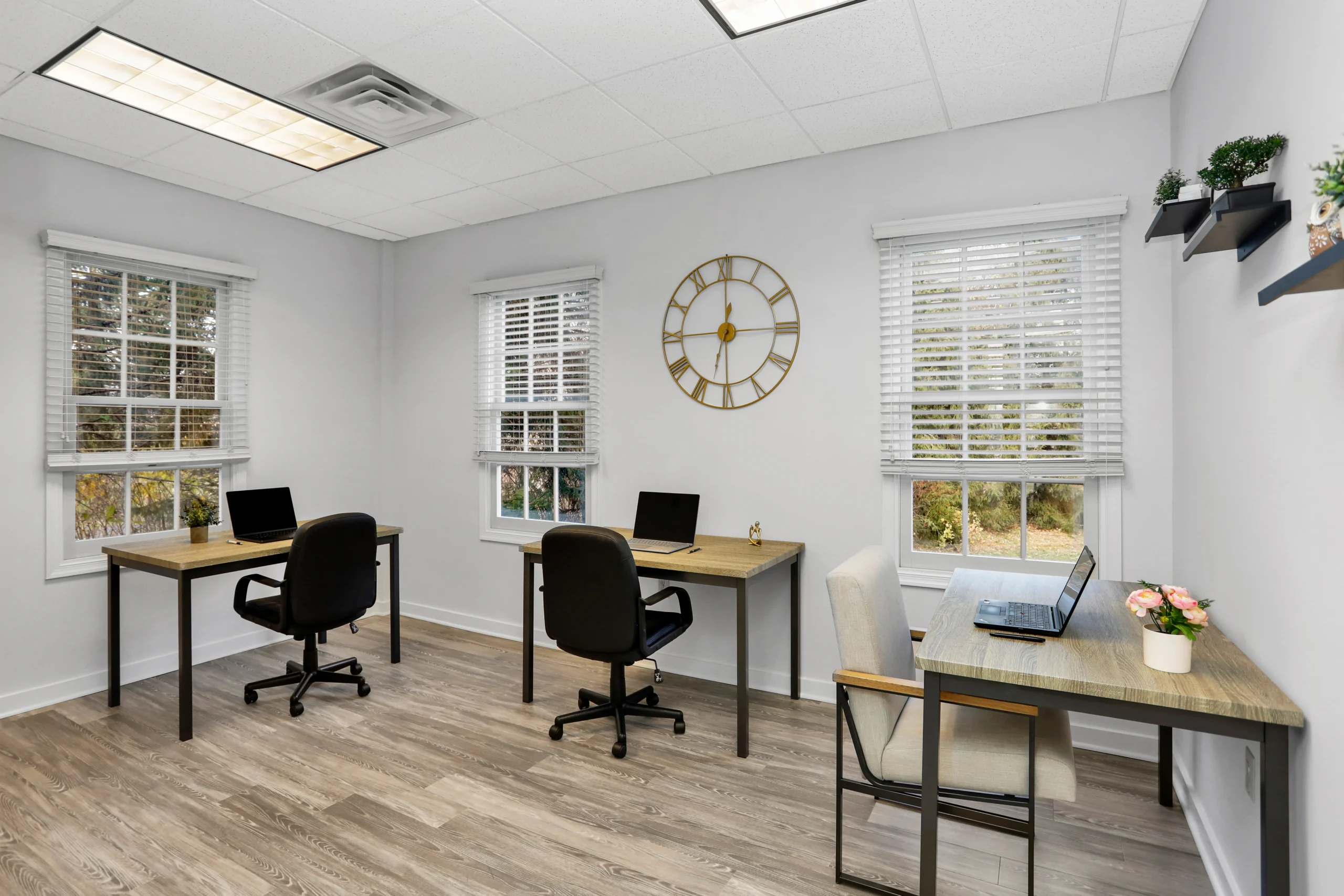

After an assessment, you will be matched with a treatment plan for your mental health needs. These programs and therapies include:
For those who need more, we coordinate referrals for:
Do you have questions about what level of care is appropriate? Begin the journey with a confidential clinical assessment.
Ideally positioned to serve Sussex County, Wellness Hills is located in Chester, NJ. This provides service for several areas.
Our facility in Chester, NJ, provides mental health treatment to residents of Sussex County. Some cities that we offer care to include Newton, Sparta, Vernon, Hopatcong, Andover, Hamburg, Franklin, Hardyston, and Wantage.
If you want more details about how close you are to our facility, you can call to confirm whether you are in our service area and how far your commute will be.
Many Sussex County drivers reach our Chester, NJ location using the main North Jersey corridors, often I-80, Route 15, and Route 206, depending on where you’re coming from. For parts of Sussex, Route 23 can be a common connector before linking to the route that makes the most sense for your starting point. Travel times vary with traffic and winter weather.
Typical drive-time ranges (traffic and winter weather can change these):
If the daily commute doesn’t work for you or isn’t realistic, just check with our admissions representative about telehealth eligibility.
If you or someone else is in immediate danger, call 911. For 24/7 mental health crisis support, dial 988, the Suicide & Crisis Lifeline. New Jersey also offers mobile crisis response services, which can provide on-site evaluation, though availability varies by location and cannot be guaranteed.
For Sussex County residents seeking urgent psychiatric screening, services may be available through hospitals such as Newton Medical Center. These resources are intended to provide timely support and connect individuals to appropriate care when urgent mental health needs arise.
If you’re trying to identify community-based services in Sussex County (crisis supports, outpatient counseling, family supports, and peer lines), Sussex County provides a public Mental Health Resources directory. Availability and eligibility vary by provider.


If you live in Sussex County, selecting the right level of care for your mental health needs is best achieved by obtaining a confidential evaluation from our team. However, you can review our quick guide to get an idea of what to look for and expect.
Questions clinicians may ask to determine the proper level of care include:
Explore your mental health treatment options in Sussex County at Wellness Hills, where we offer the right fit for whatever you’re experiencing.
Outpatient therapy (OP) consists of weekly or bi-weekly sessions with a credentialed therapist. This treatment program works well for people with mild to moderate symptoms who are stable. The goal of OP is to guide clients to behavior modification while teaching new skills for long-term success and maintenance.
Intensive Outpatient Programs (IOP) and Partial Hospitalization Programs (PHP) provide more intense, structured treatment without overnight stays. Between the two options, PHP offers a higher level of care. Participants will usually meet most weekdays for several hours per day, while IOP meets fewer days per week and has shorter daily sessions.
Both programs include a blend of individual and group therapy sessions, which teach practical coping skills. Treatment planning is coordinated and offers access to psychiatric evaluation and medication management. Clients receive ongoing assessments and care coordination to support their wellness goals.
Keep in mind that PHP is not the same as inpatient hospitalization, as there is no 24/7 monitoring and oversight.
Residential treatment provides a longer-term, highly structured setting for individuals who need 24/7 support but are medically stable. Inpatient care is designed for acute stabilization when symptoms require immediate, intensive intervention and constant medical oversight. When higher levels of care are needed, we can help assess fit and coordinate appropriate referrals.
Inpatient care provides care for acute stabilization. Clients receive 24/7 clinical supervision while staying overnight at the facility. This program typically lasts for a short term while symptoms require immediate, around-the-clock monitoring.
Partial Hospitalization Programs (PHP) is an intensive day treatment for individuals who need significant support but don’t require 24/7 monitoring and supervision. When clinically appropriate, Wellness Hills can help facilitate supportive housing through independent third-party providers. Check with an admissions counselor for availability and eligibility.
A comprehensive clinical assessment determines the safest and most appropriate starting point for care.

Find out your personal coverage & options for treatment with a free verification of benefits from our admissions team. Whether you come to our programs or not we will ensure that you receive personalized recommendations for treatment based on your needs.






At Wellness Hills, we offer a comprehensive treatment program that targets various common mental health conditions.
We work with common presentations we assess and treat across outpatient levels of care, without diagnosing in isolation.
Generalized anxiety: Constant worry, tension, and difficulty relaxing.
Panic: Sudden and abrupt surges of fear which include physical symptoms.
Social anxiety: Strong fear of social judgment that limits work, school, or relationships.
Depression: Low mood, loss of interest, fatigue, or changes in sleep or appetite.
Bipolar disorder: Swings in mood, energy, and functioning from one extreme to another.
Trauma/PTSD: Consequences of trauma include hypervigilance, nightmares, and avoidance.
OCD: Intrusive thoughts and compulsions.
Level of care is matched to severity, safety, and functioning, with ongoing reassessment as needs change.




Average 5.0 Rating
"I felt supported, understood, and never judged. The therapists here actually listen, and the groups helped me build confidence and skills I didn’t even know I needed. I’m healthier, calmer, and finally hopeful about my future. I’m so grateful for the care I received.”
Client Satisfaction


Evidence-based treatment integrates available research with clinical expertise and considers patient characteristics, preferences, and culture. Well-known therapies that align with evidence-based treatment are listed below.
CBT: A person’s thoughts greatly influence their mind and consequently their behavior. In CBT, clients learn how to cope with difficult situations by changing negative thought patterns.
DBT skills: This treatment teaches practical tools to help regulate emotions. It teaches distress tolerance, mindfulness, and enhanced interpersonal skills to help people manage intense emotions and improve relationships.
Trauma-informed: Approximately 70% of people encounter trauma at some point in their lives. A trauma-informed approach helps clients by acknowledging and addressing the impact of trauma on their lives.
While therapy is helpful in reshaping behavior, providing guidance for long-term wellness, and providing the tools for coping, it may be accompanied by medication to reduce symptom intensity and severity. During a medication-led treatment regimen, clients are monitored closely by psychiatric specialists.
Oftentimes, family can be instrumental to a client’s mental health treatment. They can offer support and may aid in coordinating care in an effective, streamlined way. At Wellness Hills, we include the family in the treatment plan by giving them regular updates (when offered) and discussing referrals and aftercare planning.
By tracking clients’ symptoms with screening tools such as the PHQ-9, GAD-7, and PCL-5, mental health professionals can more accurately recommend appropriate treatment programs. The PHQ-9 measures depressive symptoms, the GAD-7 evaluates generalized anxiety, and the PCL-5 screens for PTSD-related symptoms.
The screening tools involve a set of self-reported answers to questions, which are rated by frequency or intensity. It produces a score that guides clinicians in treatment planning.
Whether this is your first step in seeking mental health treatment or you’re already in a program in Sussex County, finding the appropriate level of care is vital to the best outcomes.
Mental health treatment is best when following the continuum model. This consists of the various levels of care in order from least intensive to most intensive or vice versa, as follows:
OP to IOP or PHP; PHP to IOP to OP
This model indicates that wherever you are on the treatment journey, you can “step up” or “step down” as your symptoms and condition change. For example, you may need to step up to a higher level of treatment to become stable. Then, later, step down to an outpatient program. The key is obtaining an individualized plan with regular reassessments.
In some instances, telehealth is an appropriate mode of treatment. This can work well for clients who are stable and safe. You will have complete privacy and can work well for those who don’t live close by for in-person weekly sessions.
For clients with more severe impairment or safety concerns, in-person treatment is recommended.
Note that in NJ, PHP and IOP require at least one in-person session weekly.

Many Sussex County residents may be wondering if they can pay for treatment. Determining how much your insurance will cover is the first step in the process.
When you contact Wellness Hills, an admissions coordinator will collect your insurance information and verify your benefits. This will give you an idea of what, if any, out-of-pocket costs you will have.
Aside from the cost of care, your insurance may have a deductible or copayment. If we are in-network with your insurance company, you won’t have to pay as much out-of-pocket expense.
Keep in mind that there are cost differences between PHP and IOP. When you call, have your insurance information ready.

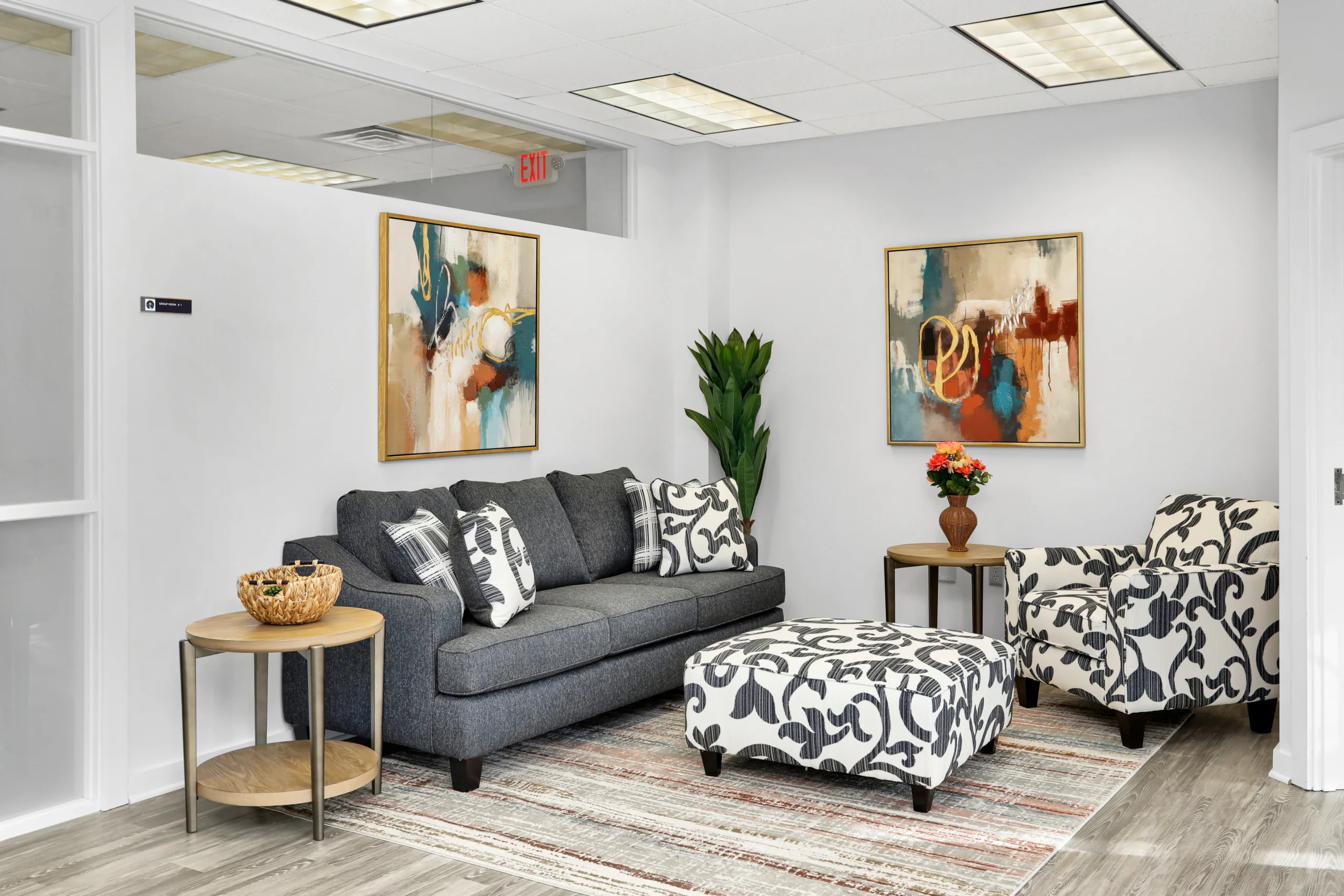

People in Sussex County choose Wellness Hills because we provide structured care in Chester, NJ, with licensed clinicians, evidence-based therapy, and coordinated treatment planning across OP, IOP, and PHP when appropriate.
Content is reviewed for accuracy by our clinical staff and updated regularly.
Wellness Hills Mental Health Treatment Center is licensed by the New Jersey Department of Health (License Number 70290104).
We have listed the most common questions people ask when they call our admissions team or during their initial assessment.
Yes. We offer telehealth services for Sussex County residents when clinically appropriate. You can receive the full scope of Outpatient services virtually. However, PHP and IOP require weekly in-person engagement. An admissions counselor will review your eligibility and recommend the best format during your intake assessment.
This might be a good fit for you. Stepping down into PHP depends on the severity of the individual’s symptoms and the clinical appropriateness. Discharge documentation is necessary for the clinical team to make the best decision as to the appropriate level of care. We will also check availability.
Wellness Hills is located in Chester, NJ (Morris County). Many Sussex County clients choose to travel to Chester for treatment at our PHP, IOP, and outpatient programs; if travel is a barrier, we’ll discuss whether telehealth sessions are clinically appropriate during your intake.
We start with a brief, confidential intake to understand symptoms, safety concerns, and what’s making day-to-day life harder. Then we recommend the most appropriate level of care, review scheduling, and check insurance benefits.
When you contact Wellness Hills, we will provide you with a brief, confidential assessment to determine the right level of care. Your information is handled confidentially and in accordance with HIPAA. We’ll offer the next available appointment or a time that fits your schedule.
Contact us today for immediate insurance verification. However, if you have an immediate crisis, contact emergency care at 911 or 988.
988 Suicide & Crisis Lifeline | 988lifeline.org – Official national crisis line information (call/text/chat) with 24/7/365 availability and free, confidential support.
Mobile Crisis Outreach Response Teams (MCORTs) – Overview | New Jersey Human Services (DMHAS) – State resource explaining what MCORTs are, how dispatch works through NJ 988 Lifeline centers (consent-based), team composition, and statewide availability/hours.
Atlantic Behavioral Health at Newton Medical Center | Atlantic Health System – Official Newton Medical Center behavioral health location page with address/phone and service overview.
Mental Health Resources | Sussex County (NJ) Health & Human Services (PDF) – County resource directory listing crisis lines, mobile response, outpatient counseling providers, and support resources serving Sussex County, with phone numbers and locations.
Trauma-Informed Therapy | StatPearls (NCBI Bookshelf, NLM/NIH) – Clinical overview defining trauma and summarizing trauma-informed care concepts and considerations.