







Trauma & PTSD Treatment in New Jersey at Wellness Hills is designed to help you heal from past trauma and move forward with stability and support.
PTSD and trauma treatment at Wellness Hills is directed by New Jersey–licensed LPCs, LCADCs, LACs, and APNs, with training in trauma-focused and exposure-based treatment.
Experiencing trauma can leave deep emotional scars. For those living with Post-Traumatic Stress Disorder (PTSD) or the lingering effects of trauma, daily life can feel like an uphill battle. Flashbacks, anxiety, nightmares, and hypervigilance can disrupt relationships, work, and self-confidence, preventing you from living the life you deserve. At Wellness Hills Treatment Center in Chester, NJ, we understand the profound impact of trauma, and we’re here to help.
Our specialized PTSD and trauma treatment programs are designed to address the unique challenges faced by individuals who have endured traumatic experiences. By combining evidence-based approaches with compassionate care, Wellness Hills offers a safe space for healing and recovery. Whether you’ve recently experienced trauma or have been carrying the weight of PTSD for years, Wellness Hills Mental Health Center offers the tools, therapies, and support you need to reclaim your life.
At Wellness Hills Mental Health Treatment Center, we are dedicated to providing exceptional mental health care with a personal touch. Our mission is to offer a safe, welcoming, and inclusive space for individuals seeking hope, healing, and a path to recovery.
Learn more about our expertly crafted depression treatment programs in New Jersey at Wellness Hills.
Discover how our anixety treatment programs in New Jersey at Wellness Hills can help you find long-term healing from anixety.
Keep reading to learn more about our high-quality bipolar disorder treatment program that works for your needs.
When choosing a trauma & PTSD treatment center in NJ, look no further than our expert programs at Wellness Hills.
Choose our OCD treatment center today for a personalized experience in mental health treatment.
Trauma is an emotional and psychological response to distressing or life-threatening events. While some individuals recover naturally over time, others develop PTSD, a condition in which the effects of trauma persist long after the event, significantly impairing mental, emotional, and physical well-being.
Post-Traumatic Stress Disorder (PTSD) is a mental health condition that develops after experiencing or witnessing terrifying events, such as abuse, combat, accidents, natural disasters, or loss. PTSD changes the brain’s response to fear and stress, leaving individuals stuck in “survival mode.”
PTSD and trauma symptoms manifest differently in everyone, but they are generally categorized into four clusters:
Trauma doesn’t just affect mental health; physical symptoms like chronic pain, fatigue, and headaches are also common. If left untreated, PTSD can escalate, contributing to depression, anxiety, substance use, or other co-occurring conditions.
PTSD and trauma symptoms manifest differently in everyone, but they are generally categorized into four clusters:
At Wellness Hills, PTSD treatment is anchored in trauma-focused therapy protocols that directly target how traumatic memories are processed in the brain.
Treatment is not based on supportive counseling alone; it follows structured, evidence-based methods designed to reduce trauma reactivity and restore emotional regulation.
Treating PTSD and trauma requires a comprehensive, individualized approach that addresses the emotional, physical, and psychological impact of the condition.
At Wellness Hills Mental Health Treatment Center in Chester, NJ, we offer a range of treatment modalities and programs to meet clients where they are in their healing journey.
For individuals experiencing severe PTSD symptoms or those at risk of self-harm, inpatient treatment offers a safe, structured environment for intensive healing.
Key elements of inpatient care include:
Inpatient care provides clients with the time and space needed to focus intensely on recovery in a fully supportive setting.
The Partial Hospitalization Program (PHP) at Wellness Hills is ideal for individuals whose symptoms require a high level of care but who do not need 24/7 supervision. Clients participate in structured treatment during the day and return home in the evenings.
PHP programming includes:
This option allows individuals to engage in intensive therapy while maintaining everyday responsibilities.
Most of our clients at the PHP level of care participate in structured trauma treatment for several weeks before transitioning to our intensive outpatient therapy program, depending on symptom severity and clinical response to their treatment plan.
For those needing flexibility, the Intensive Outpatient Program (IOP) combines structured care with the ability to continue everyday activities. Clients typically attend therapy sessions several times a week.
IOP offers a supportive environment for individuals who require structure to maintain progress but do not need intensive daily treatment.
For individuals with mild PTSD symptoms or those who have completed higher levels of care, outpatient therapy provides ongoing support to sustain healing. Clients meet with a therapist on a weekly or biweekly basis to discuss challenges, refine coping strategies, and address triggers as they arise.
For many individuals with PTSD, medication can be a useful adjunct when trauma‑focused psychotherapy alone does not provide sufficient relief. At Wellness Hills Treatment Center, our licensed psychiatrists develop personalized medication plans that complement therapy.
Our psychiatrists provide careful monitoring and adjustments to ensure medication is effective and side effects are minimized.
Some individuals experience treatment-resistant PTSD, meaning symptoms remain severe despite standard trauma-focused therapy and first-line medication. When this occurs, treatment may be intensified through higher levels of care, extended trauma processing, medication augmentation, or longer stabilization phases.
Therapy is the cornerstone of trauma treatment. At Wellness Hills, we use a variety of evidence-based treatments, including:
These therapies provide a framework for processing trauma, reducing symptoms, and rebuilding resilience. In our structured programs, trauma-focused therapy is typically delivered multiple times per week and reinforced through skills-based groups and psychiatric monitoring.
At Wellness Hills, trauma-focused therapy is typically delivered multiple times per week. EMDR and exposure-based therapies are paced according to nervous system tolerance to prevent retraumatization while still allowing desensitization to occur. Treatment intensity is continuously adjusted based on symptom response, dissociation risk, and stabilization capacity.

Find out your personal coverage & options for treatment with a free verification of benefits from our admissions team. Whether you come to our programs or not we will ensure that you receive personalized recommendations for treatment based on your needs.


Trauma recovery is a non-linear process, and symptom improvement does not occur at a uniform pace. Many of our clients experience an initial increase in emotional distress during early treatment as avoidance patterns are challenged and traumatic material surfaces.
For most clients, measurable symptom reduction begins to occur over several weeks of consistent trauma-focused therapy. The total length of treatment varies based on trauma severity, duration of exposure, presence of Complex PTSD, dissociation, and co-occurring conditions such as depression or substance use.
Recovery is possible, but it requires structured clinical support, nervous system stabilization, and long-term skill reinforcement. PTSD treatment is not a quick fix; it is a process of neurological retraining and emotional integration.
When you arrive at Wellness Hills Treatment Center, you’ll be met with understanding, care, and a commitment to your healing. Our trauma and PTSD treatment programs are designed to provide a thorough and supportive approach to recovery.
The journey begins with a comprehensive evaluation of your symptoms, trauma history, and current challenges. This initial assessment allows our team to create a customized treatment plan tailored to your unique needs.
Your trauma-informed care team, including therapists, counselors, and psychiatrists, will collaborate with you to develop a detailed plan for your recovery. Your care plan may include a combination of therapy, psychiatric support, and holistic healing practices.
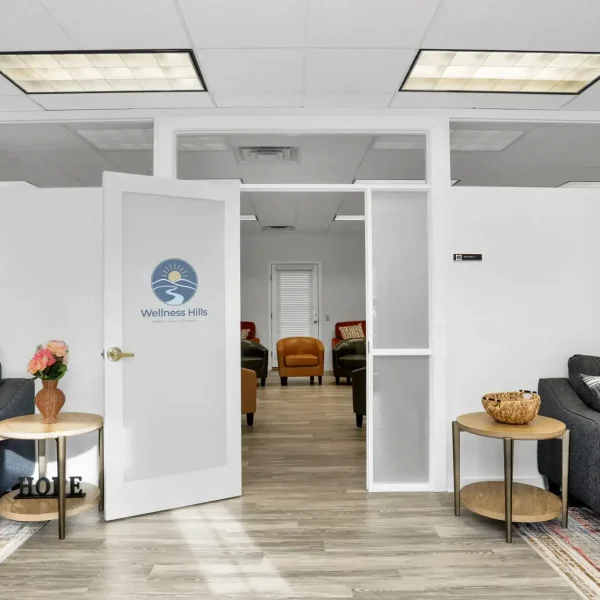
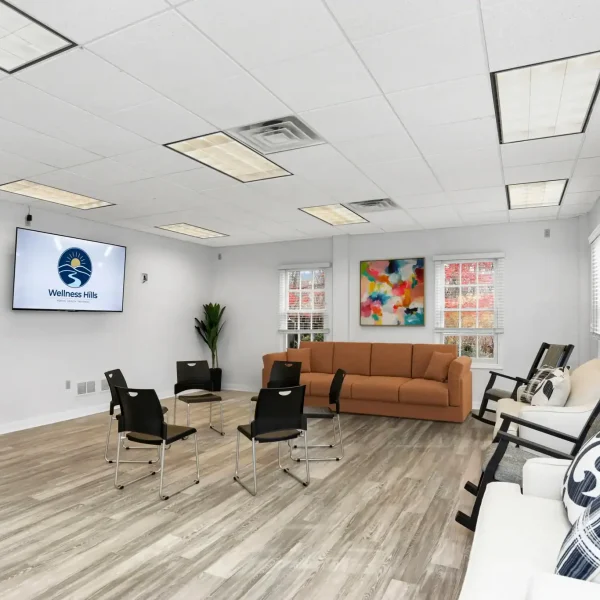
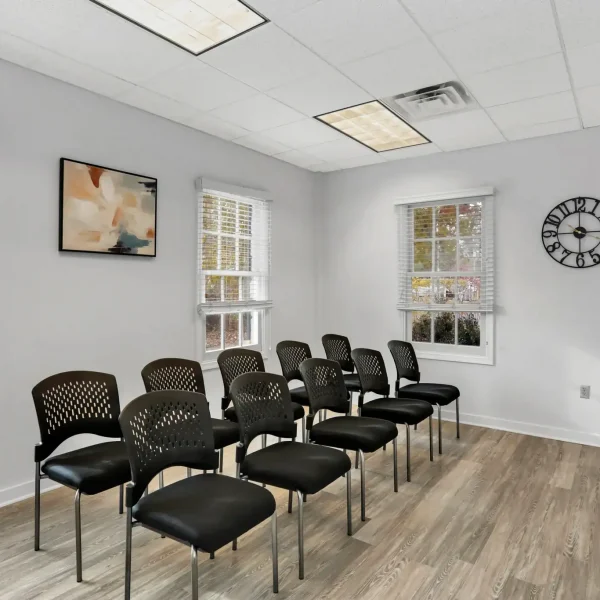
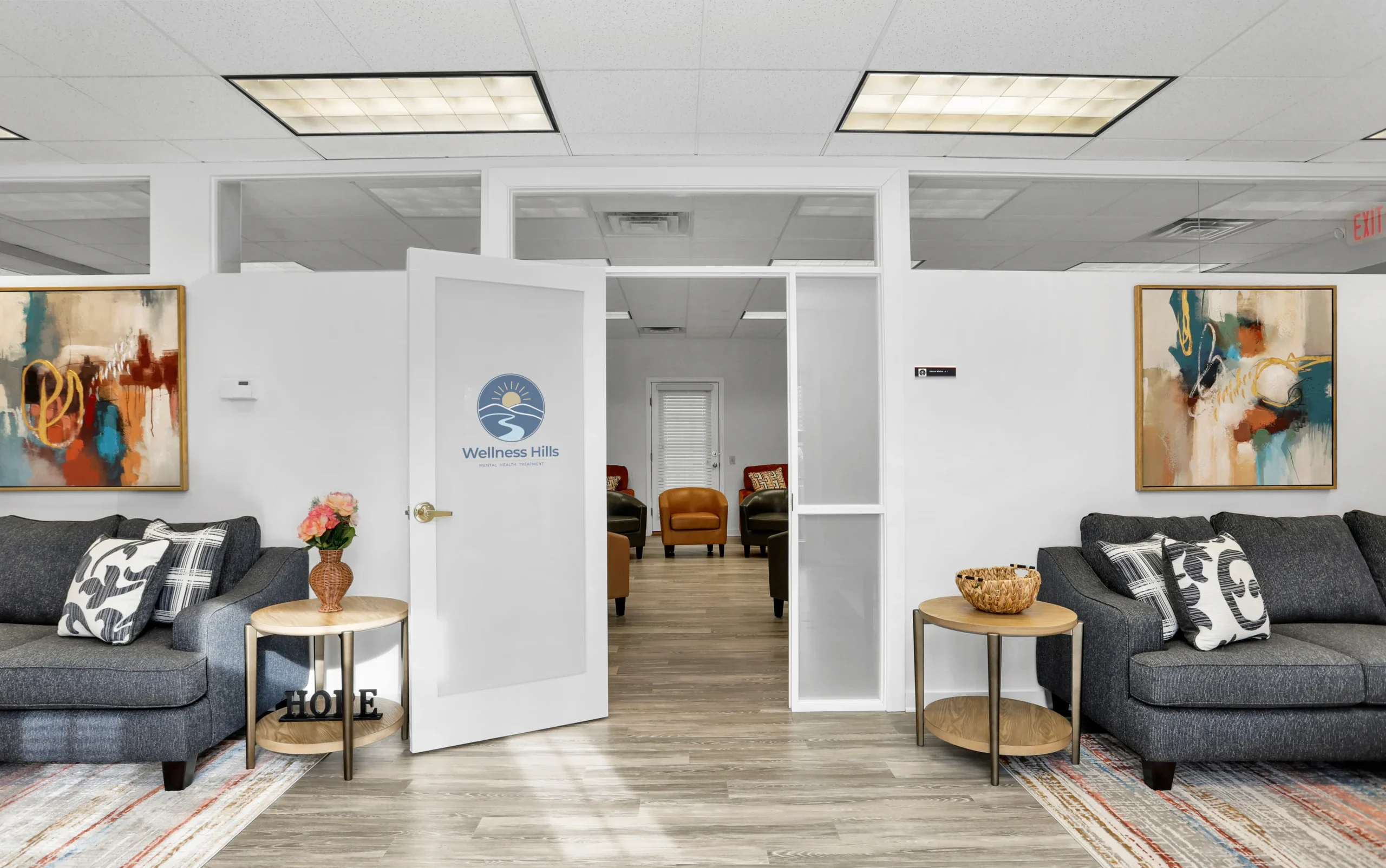
Wellness Hills Treatment Center prioritizes creating a welcoming, judgment-free space where every client feels safe. Our therapeutic environment nurtures trust, stability, and hope.
During therapy, clients will work through their trauma at their own pace with the guidance of skilled and compassionate professionals. Therapies focus on healing the emotional wounds caused by past experiences, reducing distress, and improving coping mechanisms.
Clients in structured levels of care typically participate in several hours of scheduled trauma-focused programming each day, including both individual and group-based sessions.
Clients are empowered with tools to manage symptoms and reduce the likelihood of relapse. Stress management techniques, coping strategies, and mindfulness practices are incorporated into every program.
Treatment at Wellness Hills is dynamic, meaning we continually assess your progress and adjust your care plan as needed to ensure you remain on track for success.
At Wellness Hills Mental Health Treatment Center, we are proud to offer a simple and effective admissions process. This allows us to ensure that each person who contacts us gets the best treatment options that work for their individual needs. Contact our team today to begin your journey to long-term healing.
Average 5.0 Rating
"I felt supported, understood, and never judged. The therapists here actually listen, and the groups helped me build confidence and skills I didn’t even know I needed. I’m healthier, calmer, and finally hopeful about my future. I’m so grateful for the care I received.”
Client Satisfaction
We know finances can be a concern for those seeking mental health care. At Wellness Hills Treatment Center, we provide support with payment options to make treatment accessible:
Many insurance plans include coverage for mental health. Our admissions team will verify your benefits, clarify details about coverage, and assist with claims processing to minimize costs.
For those without insurance or those who prefer not to use it, we offer transparent self-pay pricing and flexible payment plans.
We can guide you through the process of applying for financial grants, scholarships, or healthcare loans designed to make healthcare more affordable.
Recovering from trauma is a journey, but with the right support and treatment, it is entirely possible to heal. At Wellness Hills Mental Health Center, we are here to guide you every step of the way with expertise, compassion, and unwavering commitment to your success.
If you or someone you love is struggling with PTSD or trauma, now is the time to begin the journey to recovery. Contact Wellness Hills today to speak to our admissions team, learn more about our trauma treatment programs, and start the process of reclaiming your life.
You deserve peace, stability, and healing, and Wellness Hills is here to help you achieve it. Call us today.
FDA-approved medications for PTSD treatment – American Psychiatric Association clinical guidance outlining FDA-approved and evidence-based pharmacologic treatments for post-traumatic stress disorder, including sertraline, paroxetine, and venlafaxine.
NIMH overview of psychotherapy and medication for PTSD – concise, government‑authored summary outlining psychotherapy, medications and combination approaches as evidence‑based PTSD treatments.
ISTSS PTSD prevention and treatment guidelines for clinicians – evidence‑based guidelines summarizing prevention and early treatment interventions for adults and children. Reflects research through 2018 and may not include the very latest therapies or DSM‑5‑TR updates.
APA clinical practice guideline for treating PTSD – systematically reviewed recommendations on interventions for adults with PTSD. First released in 2017, verify if newer updates exist to reflect emerging evidence and DSM‑5‑TR criteria.