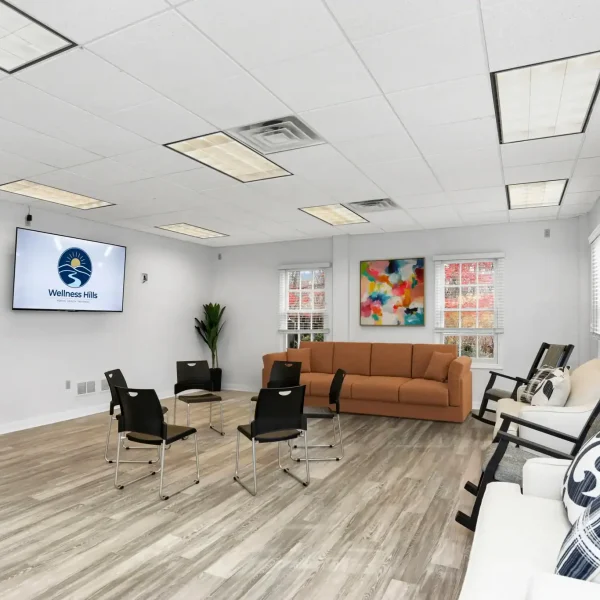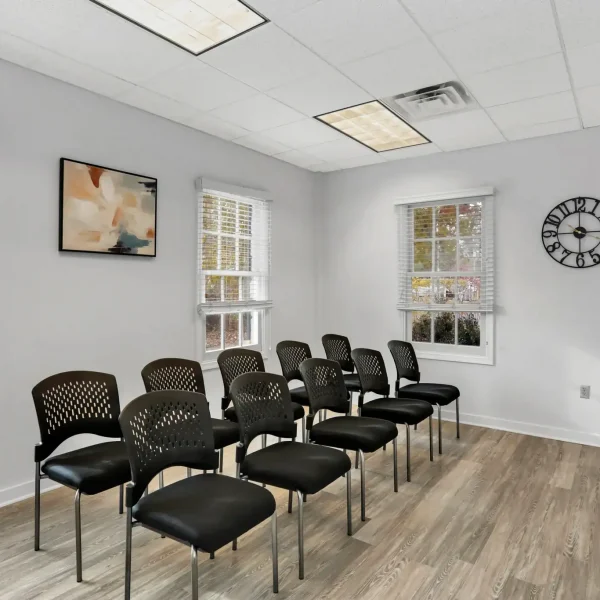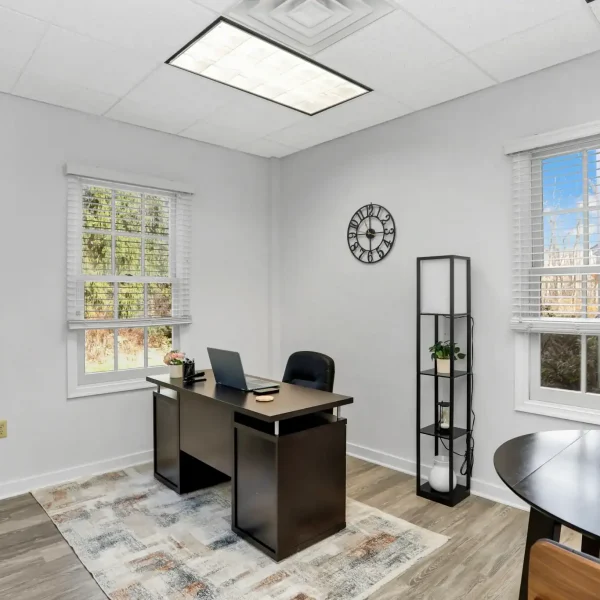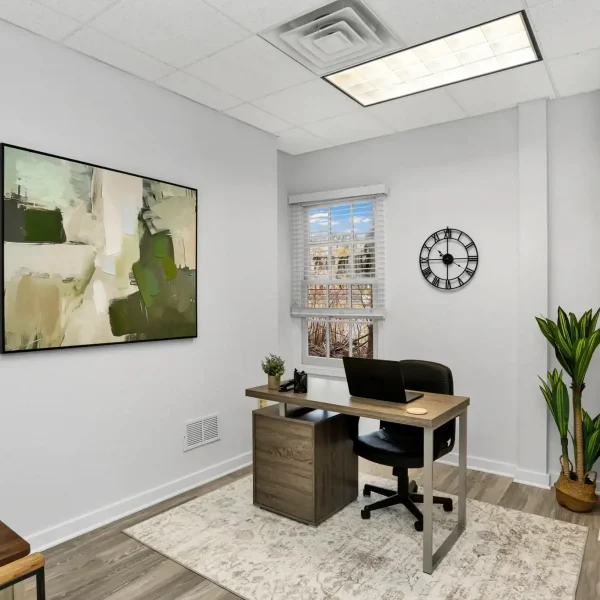

Wellness Hills provides mental health treatment in Morris County at our Chester, NJ location, including PHP, IOP, and other levels of care based on clinical need.
Wellness Hills Mental Health provides structured mental health treatment in Chester, New Jersey, for adults across Morris County, including Morristown, Parsippany–Troy Hills, Madison, Denville, and surrounding communities.
To get started, schedule a confidential assessment to determine the safest level of care.
If you or a loved one requires 24/7 inpatient psychiatric stabilization or another higher level of care, our team can help you identify appropriate local options, coordinate referrals, and help with step-down planning when clinically appropriate.



Provided at our Chester, NJ location (and via telehealth when appropriate):
When a higher level of care is clinically necessary, we help coordinate referrals to appropriate local options:
Not sure what level of care is appropriate? Start with a confidential clinical assessment.
Wellness Hills serves individuals across Morris County from our Chester, NJ, location. The details here cover service-area coverage, commuting realities, telehealth considerations, and county crisis resources.
We serve adults throughout Morris County, providing care to individuals in communities such as Morristown, Parsippany–Troy Hills, Madison, and Denville. Our services also extend to Randolph, Rockaway, Boonton, Montville, Morris Plains, Florham Park, Mount Olive, Chatham, Hanover, and Dover.
If you’re unsure whether you’re in our service area, call for confirmation.
Many clients travel to Chester from across Morris County. Our Chester location is near Route 206, which many Morris County clients use for commuting. Travel time can vary widely depending on your town, traffic, and time of day.
Typical drive-time ranges from several high-population towns (traffic dependent), including:
If daily commuting isn’t realistic, ask admissions about telehealth eligibility in New Jersey and which services can be delivered virtually based on clinical need.
Morris County also has paratransit options (including Dial-a-Ride services in certain areas), but eligibility and service coverage vary by program and municipality, so it’s best to confirm directly before relying on it for ongoing attendance.
If you or a loved one is in immediate danger or needs emergency care, call 911 as soon as possible, and an emergency provider will assist you. If you or someone you know is at risk of suicide or needs urgent emotional support, call or text 988 (24/7). In New Jersey, 988 can connect eligible callers to Mobile Crisis Outreach Response Teams (MCORTs) for in-person support in non-life-threatening situations when appropriate.
For Morris County residents who need psychiatric screening during an acute mental health crisis, Saint Clare’s Hospital (Denville) is the designated psychiatric screening service for Morris County, with psychiatric emergency and screening services available 24/7.
For a broader list of county mental health resources, Morris County publishes a Directory of Morris County Mental Health Services.


Referring to this quick guide will help you understand the different levels of care available in Morris County and how to choose the best fit for your needs. Selecting the right level of care can improve outcomes, leading to greater mental health and well-being. However, it’s best to obtain an assessment from a clinician. At Wellness Hills, recommendations focus on OP, IOP, and PHP options delivered in Chester, NJ.
Some clients gain significant help from just attending weekly therapy. However, in many situations, therapy alone is not enough. It’s important to recognize the signs of deteriorating mental health so you can be proactive in your well-being.
A clinician can assess the severity, safety, and functioning of your condition and recommend the right level of care.
Clinicians evaluate a person’s symptoms, safety risks, functional needs, and available support systems to determine the most appropriate and effective level of care.
Adults in Morris County can access care across a continuum, ranging from weekly outpatient therapy to more structured outpatient programs and, when needed, hospital-based stabilization.
Outpatient therapy is suitable for individuals with milder symptoms who are able to manage day-to-day activities. They are able to maintain stable, safe functioning.
OT usually occurs weekly and focuses on building coping skills, supporting behavior change, increasing insight, and maintaining progress over time. Therapy is integrated into work, school, and family responsibilities.
Structured outpatient programs include Intensive Outpatient Programs (IOP) and Partial Hospitalization Programs (PHP). These provide a higher level of care than traditional outpatient therapy, and individuals can still live at home during their treatment.
Who are IOP and PHP best suited for? These programs work well for people who need additional support due to moderate to severe symptoms. In some cases, it can be a short-term solution for people with recent symptom escalation or difficulty functioning in daily life, but who don’t require 24-hour inpatient care.
IOP typically involves treatment three to five days per week for several hours per day, while PHP offers more intensive programs lasting most of the day.
Higher levels of care, including residential treatment and inpatient psychiatric hospitalization, are designed for individuals with impaired functioning or those who are at risk for serious safety concerns. Residential treatment offers a therapeutic environment 24/7.
Clinical support is provided continuously. This provides individuals who find it challenging to meet the demands of daily functioning, emotional regulation, or safety with constant structure and supervision.
Inpatient or psychiatric hospitalization is the most intensive level of care and is typically short-term. Its goal is to bring about rapid stabilization during acute crises. These environments prioritize safety, symptom stabilization, and treatment planning before transitioning to lower levels of care.
If a higher level of care is needed, Wellness Hills can help Morris County residents identify appropriate options and coordinate a step-down plan to OP, IOP, or PHP when clinically appropriate.

Find out your personal coverage & options for treatment with a free verification of benefits from our admissions team. Whether you come to our programs or not we will ensure that you receive personalized recommendations for treatment based on your needs.






Residents of Morris County choosing between outpatient, IOP, PHP, or higher levels of care depend on symptom severity, safety needs, functional impairment, and the level of support required to maintain stability and progress in treatment.
Mental health treatment exists along a continuum, with different levels of care designed to match a person’s changing needs over time. Individuals may step up to more intensive support during periods of increased symptoms or risk, and step down as stability and functioning improve.
This flexible approach allows care to adjust as progress is made, supporting recovery while promoting the least restrictive and most appropriate level of treatment.
For example, when someone feels overwhelmed by symptoms or their functioning or safety is compromised, then it’s appropriate for them to step up from OP to IOP or PHP, which provides a more intense treatment regimen.
As symptoms improve and the person stabilizes, they can step down from PHP to IOP and/or OP. One important component of treatment is the ability to cater to the individual’s needs through evaluation, planning, and reassessment.
Telehealth can be appropriate for some clients when symptoms, risk level, and home privacy allow for safe care delivery. If there are safety concerns or severe impairment, in-person treatment is often recommended. For virtual sessions, clients need a private space and a reliable internet connection. Prior to each appointment, we send a secure, HIPAA-compliant link with instructions for joining the session.
In-person care works better with people who have the following:





Average 5.0 Rating
"I felt supported, understood, and never judged. The therapists here actually listen, and the groups helped me build confidence and skills I didn’t even know I needed. I’m healthier, calmer, and finally hopeful about my future. I’m so grateful for the care I received.”
Client Satisfaction


Conditions like anxiety, depression, trauma/PTSD, bipolar disorder, and OCD can look very different from person to person in Morris County. The information below explains common symptom patterns and why the level of care is matched to severity and functioning, not just a diagnosis.
Levels of care are matched to severity and functioning, not just a diagnosis.
GAD: Characterized by persistent, excessive worry with ongoing tension, restlessness, and frequent sleep disruption.
Panic disorder: Involves sudden panic attacks accompanied by intense fear of physical symptoms and avoidance of situations associated with past attacks.
Social anxiety: Marked by fear of scrutiny or judgment, leading to avoidance of social situations and reliance on safety behaviors.
Depression: Includes sustained low mood, loss of interest or pleasure, low energy, and feelings of hopelessness.
Bipolar disorder: Defined by cycles of depressive and elevated mood states, making careful assessment essential before treatment planning.
Trauma/PTSD: Characterized by hypervigilance, nightmares, avoidance, and intrusive memories related to traumatic experiences.
OCD: Involves intrusive, unwanted thoughts and repetitive compulsions, with exposure and response prevention (ERP) commonly used in treatment.
Many individuals experience co-occurring conditions, and symptoms can change over time, making ongoing reassessment essential to ensure treatment remains accurate, effective, and appropriately matched to current needs.
Most effective treatment includes a mix of skills-based therapy, clinical monitoring, and a clear plan for continuity. Below are the core elements commonly used to support outcomes.
Evidence-based therapies, such as the following, aid clients in the recovery process by providing necessary tools for change.
At Wellness Hills, the exact mix of therapy, groups, and clinical support depends on the recommended level of care and your treatment plan.
Some clients benefit from a psychiatric evaluation accompanied by medication. Although therapy is the standard for mental health concerns and goes far in aiding client needs, sometimes medication is necessary.
Patients who are prescribed medication will undergo close monitoring to assess potential side effects and how they respond to the dose. In some cases, medication can help reduce symptom intensity for some, while therapy simultaneously builds durable skills.
Family involvement and care coordination emphasize clear communication with loved ones, so they clearly understand treatment goals. It also allows them to play a part in supporting recovery when appropriate.
Family members can aid in collaboration with outpatient providers, primary care physicians, and referring professionals to ensure the continuum of care is uninterrupted. Aftercare planning, which includes discharge plans and tools for support, is a vital part of reducing the risk of relapse.
We use measurement-based care tools such as the PHQ-9, GAD-7, and PCL-5 to track symptoms over time and inform treatment adjustments. By assessing these changes, clinicians can identify patterns and monitor progress.
They can recognize when treatment adjustments are needed. This type of close monitoring supports individualized care with tailored interventions that are based on the individual’s response.

The cost for many residents of Morris County depends on your insurance plan, benefits, and the level of care recommended. Our admissions team can verify benefits and explain expected out-of-pocket costs before you start.
It only takes a few minutes to verify your insurance and see what the cost basics are. When you contact an admissions counselor, they will check to see if your insurance is in-network or out-of-network.
They can answer questions about your deductible, copay, and if you need prior authorization. Some insurance plans pay out differently for PHP and IOP. Having this information will help you understand what your total out-of-pocket costs will be.
When you call, be sure to have your insurance card handy, an overview of your clinical needs, and your availability. You can contact admissions now to verify your insurance in Morris County.



Wellness Hills supports people across Morris County with coordinated treatment and a straightforward path to an initial assessment.
Choosing a provider is a clinical decision, not just a preference. People in Morris County choose Wellness Hills when mental health symptoms are affecting daily functioning, safety, or stability. Wellness Hills providers specialize in trauma-informed practices and use an evidence-based approach to deliver personalized mental health care.
At Wellness Hills in Chester, care is delivered by licensed clinicians who are equipped to handle your evaluation and treatment program. Treatment plans are individualized and adjusted over time based on clinical reassessment and progress.
Content is reviewed for clinical accuracy by our clinical team and updated as services, policies, or local resources change.
These are common questions we hear during admission calls and initial assessments, including how to choose a level of care, what timelines look like, and what to do next.
Treatment length varies by the individual’s needs and the level of care. But it usually ranges from several weeks to months. A clinical team will continuously assess and adjust a person’s treatment needs.
Many clients commute from across Morris County, and travel time depends on the town and traffic. If you’re considering PHP (which may require multiple days per week), admissions can help you determine whether in-person attendance is realistic or whether telehealth may be clinically appropriate.
Yes, many people transition into PHP after hospital stabilization when a clinician determines they no longer need 24/7 inpatient monitoring but still benefit from structured, intensive treatment.
Telehealth may be appropriate when symptoms, risk level, and home privacy allow safe treatment delivery. For PHP and IOP, New Jersey requirements include at least one in-person session per week; admissions can explain how this works based on clinical need and scheduling.
You can contact an admissions coordinator and receive an assessment concerning your situation and need for care. It only takes a short time, and you can receive a clinician’s recommendation on the level of care that best meets your needs.
Someone will schedule an appointment for you to begin your journey to wellness. Your information is kept confidential. Reach out to our admissions line now or fill out the form for more information. If immediate safety is a concern, call 911 or 988 right away.
Dial-a-Ride | Morris County, NJ – Official county page listing municipal Dial-a-Ride transportation options by town, including eligibility (age/disability/veteran criteria), reservation lead times, service limits (radius/hours), and contact numbers.
988 Suicide & Crisis Lifeline | 988lifeline.org – Official national crisis line information (call/text/chat) with 24/7/365 availability and free, confidential support.
Mobile Crisis Outreach Response Teams (MCORTs) – Overview | New Jersey Human Services (DMHAS) – State resource explaining what MCORTs are, how dispatch works through NJ 988 Lifeline centers (consent-based), team composition, and statewide availability/hours.
Crisis Intervention & Emergency Care (Psychiatric Emergency Services / Screening Center) | Saint Clare’s Health – Hospital page describing 24/7 psychiatric emergency/screening/crisis stabilization services for Morris County residents (including hotline information); use this to support your Morris County screening center reference and to clarify what “psychiatric screening” typically involves.
Directory of Morris County Mental Health Services | Morris County Office of Emergency Management – County directory listing crisis/psychiatric services and other behavioral health resources, including service areas and phone numbers.