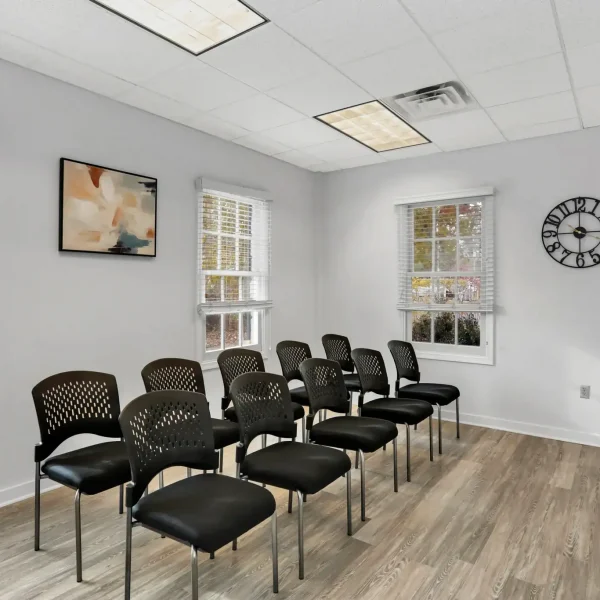

Wellness Hills provides postpartum depression treatment in New Jersey with intensive outpatient (IOP), and partial hospitalization (PHP) based on symptom severity.
Becoming a parent is one of the most significant transitions a person can experience, but for many, it is overshadowed by overwhelming sadness, anxiety, or a sense of disconnection. If you are struggling, please know that what you are feeling is a treatable medical condition, not a reflection of your ability to parent or your love for your child.
Wellness Hills Mental Health provides postpartum depression treatments for parents who need more than just traditional weekly therapy. Whether you require a Partial Hospitalization Program (PHP), an Intensive Outpatient Program (IOP), or standard outpatient postpartum depression treatment in NJ, our Chester-based team is here to help.
Schedule a confidential assessment to find the right level of support for you and your family.

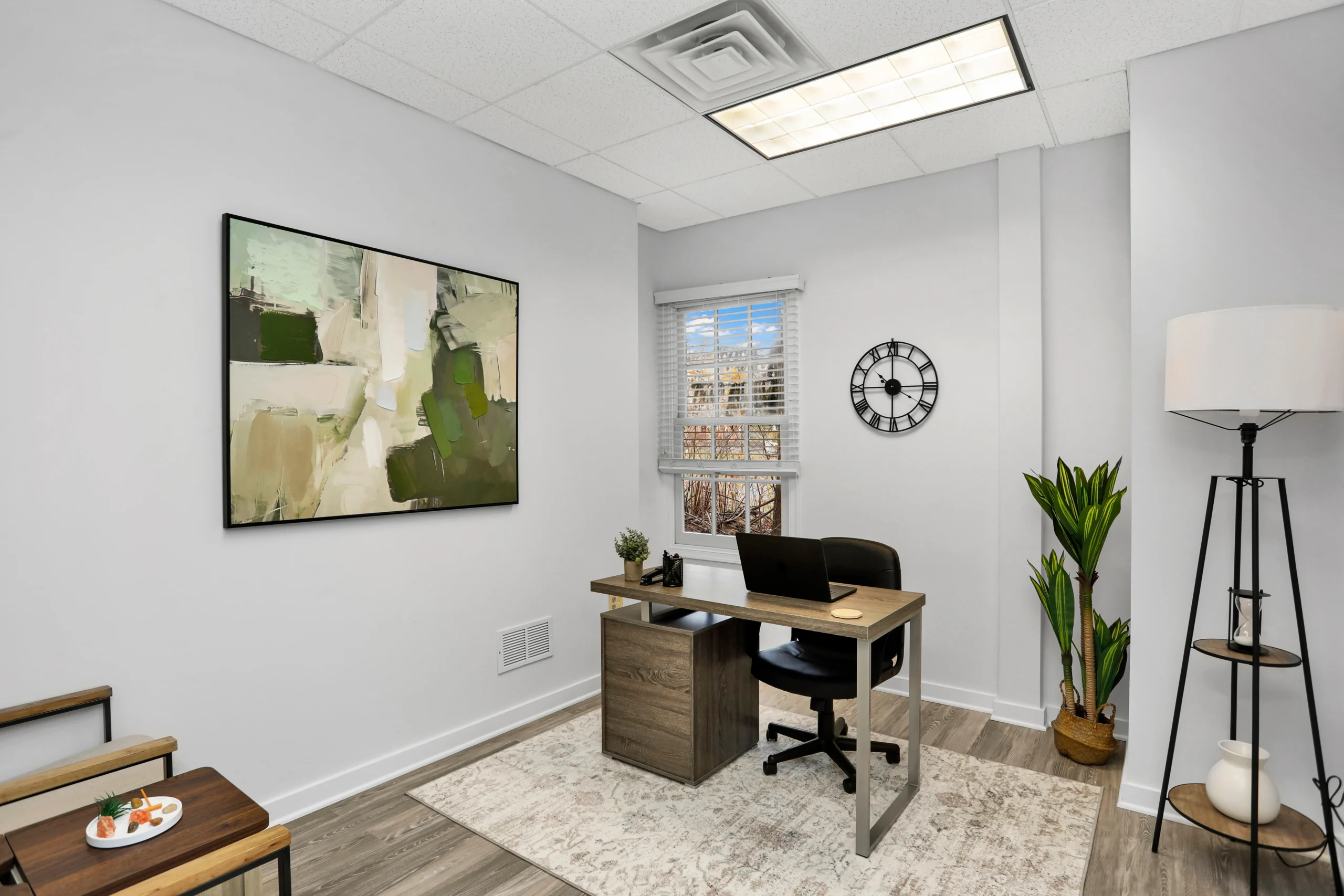
Postpartum depression isn’t just feeling sad; it’s a treatable clinical condition that can disrupt sleep, bonding, concentration, and daily functioning.
At Wellness Hills, we evaluate symptom timing, severity, and safety risk, then match you to the right level of care (OP, IOP, or PHP) and track progress using validated tools like the EPDS (Edinburgh Postnatal Depression Scale).
The main difference between PPD and baby blues is how long the feelings last and how much they affect your life. Baby blues are very common, affecting about 8 out of 10 new parents. These feelings usually go away on their own within two weeks as your body settles.
However, if you still feel very sad, anxious, or have trouble bonding with your baby after about 14 days, it might be PPD. While the two-week mark is a helpful guide, it isn’t a final answer; only a trained mental health worker can tell for sure. If your feelings make it hard to get through the day, contact Wellness Hills for help and guidance.
Postpartum depression describes depressive symptoms after birth, but many clinicians also use the term perinatal depression to include depression that begins during pregnancy or within the first year postpartum.
In New Jersey Department of Health materials, postpartum depression is part of broader perinatal mood disorders, which can include depression, anxiety, OCD patterns, PTSD symptoms, panic, and, more rarely, postpartum psychosis.
At Wellness Hills, we assess timing, symptom pattern, and safety risk so treatment matches what’s actually happening, not just the label.
Symptoms consistent with postpartum depression can emerge during pregnancy or anytime in the first 12 months after delivery. Hormonal, physical, and psychosocial factors contribute, and onset varies widely.
Postpartum depression isn’t your fault, and it isn’t because you are a bad parent or weak. It happens because of a perfect storm in your body and life:
These symptoms often affect mood, thoughts, sleep, and daily functioning, and they can be a sign that it’s time to get evaluated.
How it feels:
It is common to feel like your brain is:
These scary thoughts can make you feel very overwhelmed and unsure of yourself. If you are struggling with these feelings, remember that there is help available to help you feel like yourself again.
It is normal to be tired with a new baby, but these are signs you might need extra support:
Some mothers have unwanted and upsetting thoughts, like fears of accidentally harming their baby. If these thoughts come with:
They may be part of postpartum OCD. Postpartum OCD is treatable. Early help can bring relief and allow you to feel safer and more in control.
Symptoms help determine how much structure you need. When intrusive thoughts, severe sleep disruption, panic, or functioning decline are escalating, treatment may need to be more intensive (IOP or PHP). When symptoms are present but daily functioning remains stable, outpatient therapy may be enough to build steady recovery.



When symptoms escalate quickly, it helps to know what can be addressed with a same-day assessment, and what requires emergency help.
You should seek help the same day in scenarios like:
Get professional help. In many places, you can request an urgent same-day assessment. Early help prevents things from getting worse.
PPP can start suddenly, usually days or weeks after delivery. It may involve a rapid onset of symptoms like:
PPP is a medical emergency and needs immediate treatment. People who have had bipolar disorder in the past have a higher risk of developing postpartum psychosis.
Wellness Hills provides several structured treatment programs. To find the appropriate level of care for your needs, you can schedule a private assessment with a professional by calling 973-532-5139.
Below is a clear, week-by-week overview of what treatment can look like, from intake and safety planning to skills-based therapy, step-down care, and long-term relapse prevention.
The first days are mainly about getting you the right help quickly:
The clinical team will recommend one of these three options based on the treatment intensity you need:
For a full breakdown of what each level includes, see Choosing the Right Level of Care (OP vs IOP vs PHP) below.
We begin with a full check-in to understand how you are feeling. We use simple questionnaires called:
We then look for the main issues, such as:
Together, we set 2–3 realistic goals, like:
If there are safety concerns, we make a plan to help keep you safe.
During weeks 2 to 4, therapy focuses on helping your mood feel steadier and helping you function better day to day. We may introduce psychotherapies like:
You will have weekly check-ins to see how you are doing. Your care plan can change based on what helps you most. Both group sessions and individual sessions help you practice skills, improve your mood, and feel more stable.
During weeks 4 to 8, the focus is on helping you stay well and feel more confident.
We work on daily functioning, like:
When helpful, partners or family members may be included to strengthen the connection, improve communication, and reduce isolation.
As symptoms stabilize and daily functioning improves, we use a step-down model, so care stays consistent while intensity decreases:
Aftercare planning may include:
Next step: You can schedule a private assessment to develop a care plan that aligns with what you’re experiencing right now.

Find out your personal coverage & options for treatment with a free verification of benefits from our admissions team. Whether you come to our programs or not we will ensure that you receive personalized recommendations for treatment based on your needs.








These treatment options can work best when they’re matched to symptom severity and paired with consistent monitoring over time.
CBT therapy can help you notice negative thoughts (like guilt or self-blame) and replace them with more helpful ones. Interpersonal Therapy can help you adjust to life changes and improve communication with people around you.
If your symptoms feel more serious, our mental health team can evaluate if medication management may be appropriate. This team includes Paula Weisman, PMHNP-BC, a practitioner who provides psychiatric care for anxiety, depression, and other mood disorders.
Before you start any medicine, we will make sure it is safe for you, especially if you are:
We will also coordinate with your other doctors to ensure everyone is working together to keep you healthy.
We communicate with your postpartum medical providers when appropriate to ensure mental health care and physical recovery are aligned.
We focus on practical ways to improve rest with a newborn, including short rest periods, gentle routines, and calming strategies to reduce stress on the nervous system.
When partners are included in therapy, they are not just watching from the sidelines. Partner sessions focus on psychoeducation, recognizing symptom escalation, reducing conflict during high-stress moments, and improving communication when sleep disruption and anxiety are intensifying symptoms. The goal is to reduce isolation and improve stability at home while clinical treatment addresses mood, functioning, and safety.



Average 5.0 Rating
"I felt supported, understood, and never judged. The therapists here actually listen, and the groups helped me build confidence and skills I didn’t even know I needed. I’m healthier, calmer, and finally hopeful about my future. I’m so grateful for the care I received.”
Client Satisfaction
The right program level depends on symptom severity, safety needs, and how much postpartum depression is affecting daily functioning.
Weekly individual sessions suit stable routines with persistent but manageable symptoms. Progress builds steadily while maintaining home responsibilities.
IOP is a structured, higher-level mental health treatment option. It gives you more support than regular weekly therapy but lets you stay at home with your baby and handle daily life (like caring for your child, light household tasks, or family responsibilities). You don’t live at a facility overnight; it’s intensive because of the frequency and amount of care, but still flexible for new parents.
In PHP, you attend treatment most days of the week. You get a lot of structure and clinical monitoring.
This level of care can help when:
PHP is often used as a short-term step before moving to Intensive Outpatient or regular outpatient therapy.
We look at factors such as how severe your symptoms are, how well you can manage daily life, your safety, the stability of your home environment, how quickly symptoms are changing, and any other issues you may have. This helps us choose the most suitable level of care from the start.
If you’re not sure what you need, an assessment can help guide you. Schedule an assessment today to get clear answers.
Postpartum depression often overlaps with anxiety, intrusive thoughts, trauma symptoms, or mood instability, so we screen for related conditions that may change the treatment plan.
You may feel very worried, restless, or on edge. You might have sudden panic feelings. These often happen along with postpartum depression. We check for this and use the right tools to help.
Sometimes, new parents get unwanted, upsetting thoughts in their heads about their baby’s safety. Common examples include: Fears about dropping the baby, bad thoughts about hurting the baby on purpose (like stabbing or drowning), or worrying about germs.
According to current psychiatry reports, many new parents, including mothers, fathers, and partners (about 2% to 24% of them), experience these thoughts.
Past trauma or a difficult birth can affect how you feel now. We use trauma-focused therapy at a steady pace, and you stay in control of the process.
Bipolar disorder involves both highs and lows. It is easily mistaken for regular depression (especially if a clinician only sees the low phase). Screening for the full bipolar spectrum, including Bipolar I, Bipolar II, and cyclothymia, can help ensure you get the right diagnosis. It ensures that your medication and therapy plan are designed to stabilize your mood rather than accidentally pushing it too high.
If you’re not sure what you’re experiencing, you can also browse all mental health conditions we treat to find the right starting point for treatment.
If you’re ready to get started, we can schedule an assessment, verify insurance benefits, and recommend the appropriate level of care.
Everything you share with us is private and confidential. We follow HIPAA rules to protect your information.
Most major health insurers, like Aetna, UnitedHealthcare, Cigna, and Horizon BlueCross, cover mental health care, including treatment for postpartum depression in New Jersey. Your plan will likely pay for:
How we help you:
Before you start, we will tell you exactly what you need to pay, including:
Many people can start treatment within a few days of reaching out.
What to do while you wait:
Call 973-532-5139 or submit our online form. Wellness Hills Mental Health is licensed by the New Jersey Department of Health (License No. 70290104).

These FAQs answer the most common questions we hear from new parents in New Jersey about postpartum depression treatment, timelines, and choosing the right level of care.
While everyone is different, many parents feel a sense of relief just by having a plan in place during the first week. Most see significant shifts in their mood and ability to function within the first 2–4 weeks of a structured program like our IOP or PHP.
It depends on your functional impairment. If you can still manage your house and baby but feel miserable, outpatient may work. If you feel like you are failing every day and can’t see a way out, our PHP for postpartum depression offers the intensive support needed for rapid stabilization.
With proper postpartum depression therapy, that connection can and does return as the depression lifts.
It depends on your functional impairment. If you can still manage your house and baby but feel miserable, outpatient may work. If you feel like you are failing every day and can’t see a way out, our PHP for postpartum depression offers the intensive support needed for rapid stabilization.
Yes. In fact, most people with postpartum depression also experience high levels of postpartum anxiety.
Sleep deprivation causes irritability and tiredness, but it usually improves when you finally get a few hours of rest. If you are exhausted but cannot sleep when given the chance, or if you feel a deep sense of hopelessness and fog that doesn’t lift with rest, it is likely postpartum depression.
Screening for Perinatal Depression: Barriers, Guidelines, and Measurement Scales (Journal of Clinical Medicine, 2024) | NCBI/PMC – Review of perinatal depression screening barriers and best-practice guidelines.
About Perinatal Mood Disorders | New Jersey Department of Health – NJ-specific public health resource outlining perinatal mood disorder types (depression, anxiety, postpartum OCD, panic, PTSD, psychosis), risk factors, and prevalence ranges.
Perinatal Obsessive–Compulsive Disorder: Epidemiology, Phenomenology, Etiology, and Treatment (Current Psychiatry Reports, 2022) | NCBI/PMC – Clinical review explaining common perinatal OCD patterns, including intrusive harm-related thoughts, and evidence-backed treatment considerations (CBT with ERP, SSRI risk and benefit framing).
Summary of the HIPAA Privacy Rule (OCR Privacy Brief) | U.S. Department of Health & Human Services – Federal overview of HIPAA Privacy Rule protections and patient privacy rights.